

Introduction
Vibration feedback has become an important function in modern medical devices. From wearable health monitors and rehabilitation equipment to drug delivery systems and diagnostic devices, vibration motors help provide alerts, feedback, and user interaction.
However, selecting the right vibration motor for medical devices is different from choosing motors for consumer electronics. Medical applications require higher reliability, precise vibration control, low noise operation, compact design, and long service life.
For engineers developing healthcare products, choosing between ERM vibration motors, LRA vibration motors, and brushless vibration motors requires a detailed evaluation of performance requirements and application conditions.
In this guide, we will explain the key factors to consider when selecting a vibration motor for medical equipment and how OEM manufacturers can find the right vibration solution.
Key Points: How to Select a Medical Device Vibration Motor
When selecting a vibration motor for medical applications, engineers should evaluate:
|
Selection Factor |
Why It Matters |
| Vibration Performance | Determines alert clarity and user feedback quality |
| Size & Thickness | Important for compact wearable medical devices |
| Noise Level | Critical for patient comfort |
| Power Consumption | Affects battery life |
| Lifetime Reliability | Ensures stable long-term operation |
| Customization Capability | Helps integrate motor into unique designs |
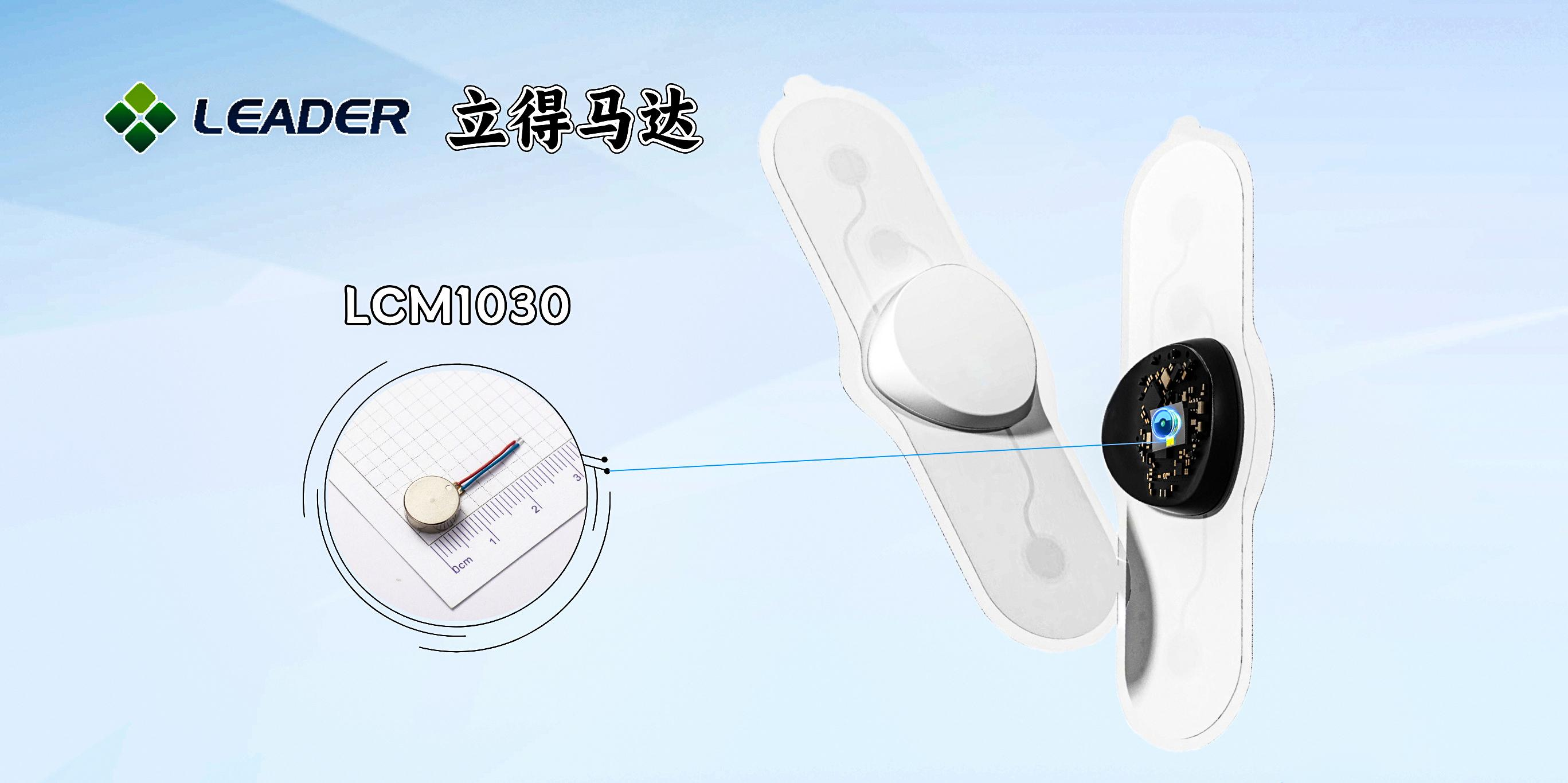
1. Understand Different Types of Vibration Motors for Medical Devices
Medical devices use different vibration technologies depending on their requirements.
ERM Vibration Motors
Eccentric Rotating Mass (ERM) motors generate vibration through a rotating unbalanced weight.
Advantages:
- Simple structure
- Low cost
- Easy control with DC voltage
- Suitable for basic vibration alerts
- Patient reminder devices
- Simple medical alarms
- Portable healthcare equipment
Typical applications:
- Patient reminder devices
- Simple medical alarms
- Portable healthcare equipment
However, ERM motors usually have slower start/stop response and less precise vibration control compared with linear vibration solutions.
LRA Vibration Motors
Linear Resonant Actuators (LRA) generate vibration through linear movement of a magnetic mass and spring system.
Compared with traditional ERM motors, LRAs provide faster response, better efficiency, and more precise haptic feedback.
Advantages of LRA:
|
Feature |
Benefit for Medical Devices |
| Fast response | Immediate user feedback |
| Low power consumption | Longer battery life |
| Precise vibration frequency | Better control experience |
| Compact structure | Suitable for wearable devices |
Common applications include:
- Smart medical watches
- Wearable monitoring devices
- Rehabilitation equipment
- Portable diagnostic devices
Brushless Vibration Motors
Brushless vibration motors use electromagnetic drive technology without mechanical brushes.
Advantages:
- Longer lifetime
- Lower mechanical wear
- Stable operation
- Reduced maintenance requirements
They are suitable for medical devices requiring continuous operation.
Comparison Chart: Medical Device Vibration Motor Selection
|
Type |
ERM |
LRA |
Brushless |
| Vibration Control | ★★★ | ★★★★★ | ★★★★ |
| Response Speed | Medium | Fast | Fast |
| Power Efficiency | Medium | High | High |
| Lifetime | Medium | High | Very High |
| Cost | Low | Medium | Higher |
| Medical Wearables | △ | ✓ | ✓ |
2. Consider Vibration Performance Requirements
The vibration feeling of a medical device depends on several technical parameters.
Vibration Frequency
Frequency determines how the vibration feels.
For medical devices:
- Lower frequency vibration can create stronger physical alerts.
- Higher frequency vibration provides smoother tactile feedback.
For LRA motors, matching the motor resonant frequency with the driver is essential to achieve optimal performance.
Vibration Strength
Different medical applications require different vibration levels.
| Application | Required Vibration |
| Wearable reminder device | Soft & comfortable |
| Rehabilitation equipment | Strong feedback |
| Emergency alert device | High visibility vibration |
| Diagnostic equipment | Precise feedback |
Vibration Strength Requirements in Medical Applications
Emergency Alert Device ██████████ 10
Rehabilitation Equipment ████████ 8
Portable Monitor ██████ 6
Wearable Tracker ████ 4
Smart Patch ███ 3
3. Size and Integration Requirements
Medical vibration motor are becoming smaller and more portable.
Wearable healthcare products often require:
- Thin profile
- Lightweight construction
- Flexible wiring options
- Custom mounting solutions
A smartwatch-style medical monitor may require:
- Diameter: 6–10mm
- Thickness: below 3mm
- Low current consumption
A handheld medical device may allow larger vibration motors with stronger output.
4. Low Noise and Patient Comfort
Noise control is especially important in healthcare environments.
Patients may use medical devices:
- During sleep
- In hospitals
- During daily activities
A high-quality vibration motor should provide:
✔ Clear vibration feedback
✔ Minimal mechanical noise
✔ Stable operation over time
For medical applications, vibration quality is often more important than maximum vibration force.
5. Reliability and Lifetime Testing
Medical devices usually require longer product lifecycles.
Before selecting a vibration motor supplier, engineers should check:
Reliability Testing Includes:
| Test Item | Purpose |
| Life Cycle Test | Verify long-term operation |
| Temperature Test | Ensure environmental stability |
| Vibration Test | Confirm output consistency |
| Noise Test | Improve user experience |
| Electrical Test | Prevent performance failure |
6. Custom Vibration Motor Solutions for Medical OEM Projects
Medical device designs often cannot use standard vibration motors directly.
OEM customers may require:
- Customized size
- Customized voltage
- Special wire length
- FPCB connection
- Different vibration frequency
- Customized mounting structure
Working with an experienced vibration motor manufacturer helps engineers shorten development time and improve product reliability.
Leader provides customized vibration solutions including:
- LRA vibration motors
- Coin vibration motors
- Micro brushless motors
- Custom vibration assemblies
From prototype samples to mass production, customized solutions help medical device companies achieve optimized performance.
How to Choose the Right Vibration Motor Supplier?
Before starting a medical device project, consider:
1. Does the supplier provide technical support?
A professional supplier should help evaluate:
- Motor size
- Driving method
- Vibration performance
- Integration design
2. Can they support customization?
Medical devices often require customized solutions instead of standard products.
3. Do they have production and testing capability?
Important capabilities include:
- Automated production
- Quality control system
- Reliability testing
- OEM experience
Conclusion
Selecting the right vibration motor for medical devices requires balancing vibration performance, reliability, power consumption, size, and user comfort.
For wearable healthcare devices, LRA vibration motors are often preferred because they provide fast response, precise feedback, and efficient operation.
For long-life medical equipment, brushless vibration motors can provide excellent durability.
By working with an experienced vibration motor manufacturer, medical device engineers can develop reliable, compact, and user-friendly products.
FAQ
Q1: What type of vibration motor is best for medical devices?
LRA vibration motors are commonly used in medical devices because they provide fast response, precise vibration control, and low power consumption. However, the best choice depends on application requirements such as size, vibration strength, and operating time.
Q2: Why are LRA motors suitable for wearable medical devices?
LRA motors offer compact size, efficient power consumption, and accurate vibration feedback, making them suitable for wearable healthcare devices such as smart monitors and medical patches.
Q3: How do I choose a vibration motor supplier for medical devices?
Choose a supplier with experience in OEM customization, reliability testing, quality control, and mass production support.
Q4: Can vibration motors be customized for medical equipment?
Yes. Manufacturers can customize vibration motors by adjusting size, voltage, frequency, wiring, connectors, and mounting structures.
Consult Your Leader Experts
We help you avoid the pitfalls to deliver the quality and value your micro brushless motor need, on-time and on budget.
Post time: Jul-29-2026


