

Introduction: Why 3V Vibration Motors Are Becoming Essential for Modern Electronics
As portable electronic devices continue becoming smaller and more energy-efficient, engineers are facing increasing challenges in selecting components that deliver reliable performance while consuming minimal power.
A 3V vibration motor has become one of the preferred solutions for compact electronic products because it provides effective vibration feedback under low-voltage operation. Compared with traditional vibration motors requiring higher voltage input, 3V DC vibration motors help extend battery life, simplify circuit design, and support thinner product structures.
From smart wearables and handheld devices to medical equipment and IoT products, low-voltage vibration motors enable manufacturers to create responsive user experiences without increasing power consumption.
For OEM projects requiring compact size, efficient energy usage, and stable vibration performance, selecting the right micro vibration motor manufacturer is critical.
Core Points of This Article
· What is a 3V vibration motor?
· How does a low voltage vibration motor work?
· Advantages of 3V DC vibration motors
· ERM vs LRA: Which technology is better for low-voltage applications?
· Key parameters when selecting a 3V vibration motor
· Applications across industries
· How Leader supports customized vibration motor solutions
1. What Is a 3V Vibration Motor?
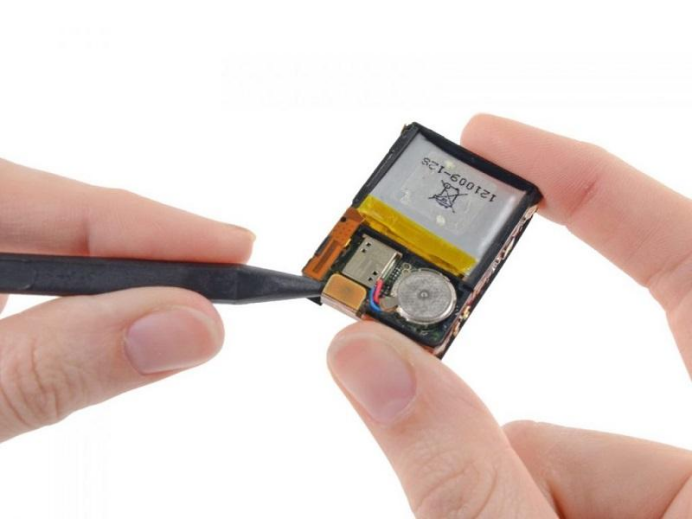
A 3V vibration motor is a miniature DC motor designed to generate vibration using a 3V power supply.
It converts electrical energy into mechanical vibration through either:
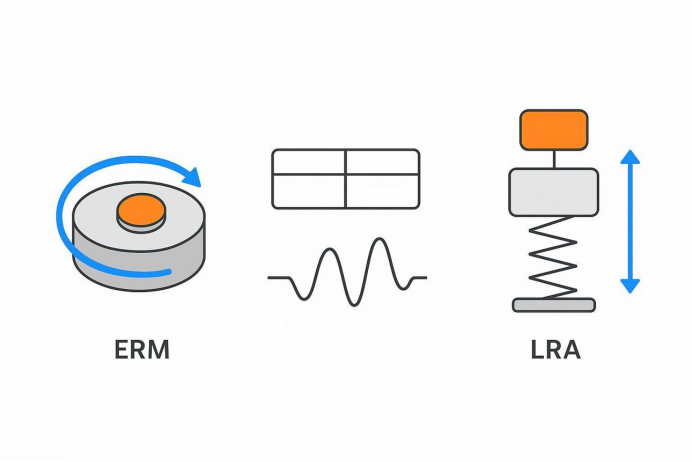
- An eccentric rotating mass (ERM) mechanism
- A linear resonant actuator (LRA) mechanism
The motor is typically integrated into compact electronic devices where space and power consumption are limited.
Common 3V vibration motor specifications include:
|
Parameter |
Typical Range |
| Rated Voltage | 3V DC |
| Operating Voltage | 2.3V – 3.3V |
| Motor Type | ERM / LRA / BLDC |
| Current Consumption | 50mA – 120mA |
| Diameter | 5mm – 12mm |
| Vibration Force | 0.5G – 2G |
| Response Time | Milliseconds |
Different manufacturers provide different performance levels depending on structure and design. Some low-current 3V vibration motors can operate with very small current consumption for battery-powered devices.
2. How Does a 3V Vibration Motor Work?
A 3V vibration motor operates based on electromagnetic conversion principles.
When voltage is applied:
1. Current flows through the motor coil.
2. Magnetic interaction generates rotational or linear movement.
3. Mechanical vibration is produced.
4. The vibration transfers to the device housing.
For ERM vibration motors:
The eccentric weight creates an imbalance force during rotation, producing vibration.
For LRA vibration motors:
The internal mass moves back and forth at resonance frequency, creating precise vibration feedback.
3. Why Choose a 3V Low Voltage Vibration Motor?
3.1 Lower Power Consumption
One of the biggest advantages of a 3V vibration motor is reduced energy consumption.
Battery-powered products such as:
- Smart watches
- Fitness trackers
- Wireless devices
- Portable medical equipment
require components that minimize power usage.
A properly selected low-current vibration motor can significantly improve operating time.
3.2 Compatible With Modern Battery Systems
Many compact electronic devices use:
- Lithium-ion batteries
- Coin cell batteries
- Rechargeable battery modules
A 3V vibration motor matches these power systems naturally, reducing the need for additional voltage conversion circuits.
3.3 Compact Mechanical Design
Because 3V motors can be manufactured in very small formats, they are suitable for:
- Thin wearable devices
- Miniature controllers
- Smart sensors
Comparison Table: Different Vibration Motor Types
|
Type |
Voltage |
Advantage |
Typical Applications |
| ERM Motor | 2.3V-4.0V | Low cost, simple control | Wearables, alerts |
| LRA Motor | 1.2V-1.8V | Fast response, precise haptics | Smartphones, gaming |
| Brushless Vibration Motor | 2.3V-3.3V | Long lifetime, quiet operation | Premium devices |
5. Key Parameters When Selecting a 3V Vibration Motor
Selecting a vibration motor requires more than checking voltage.
Engineers should evaluate:
A 3V motor should match the product power architecture.
Incorrect voltage selection may cause:
- Weak vibration
- Excessive heat
- Reduced lifetime
For battery-powered devices:
Lower current means:
- Longer battery life
- Smaller battery requirements
- Better thermal performance
Measured by:
- G-force
- Acceleration
Higher vibration force does not always mean better performance.
The correct balance depends on:
- Product size
- Housing structure
- User experience requirements
Premium products require:
- Low mechanical noise
- Stable vibration output
- Smooth operation
Especially important for:
- Medical devices
- Wearables
- Smart home products
6. Applications of 3V Vibration Motors
Wearable Electronics
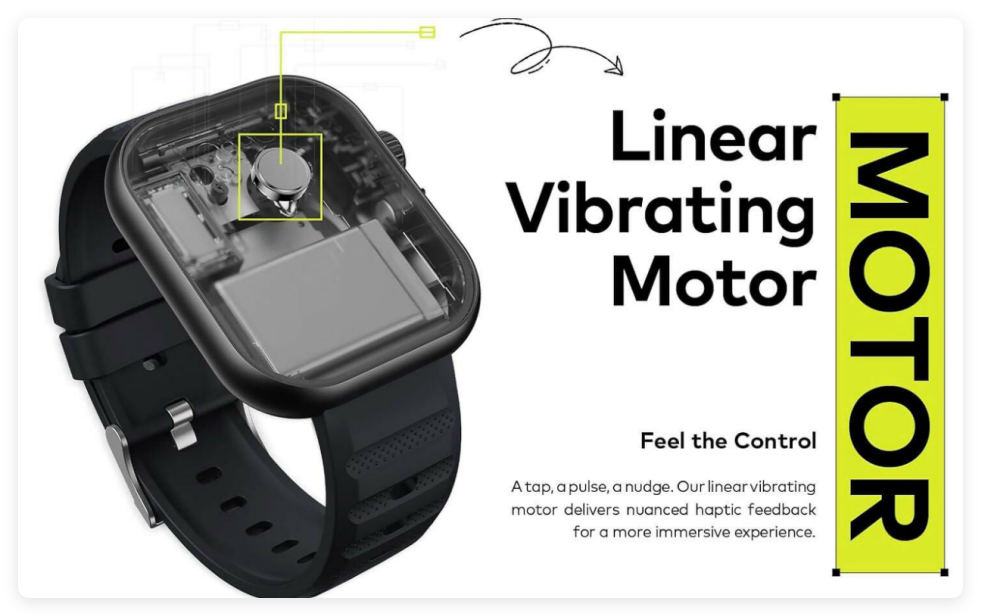
Wearable devices require vibration components that are compact, lightweight, and energy-efficient to maintain long battery life while providing reliable user feedback. A 3V vibration motor is widely used in smart watches, fitness trackers, smart rings, and other wearable products because it delivers responsive vibration alerts within strict space and power limitations.
With low voltage operation and compact dimensions, micro vibration motors for wearable devices help manufacturers create comfortable and efficient products. They can provide notifications for calls, messages, alarms, health monitoring reminders, and interactive feedback without adding significant power consumption or increasing device thickness.
Medical Devices
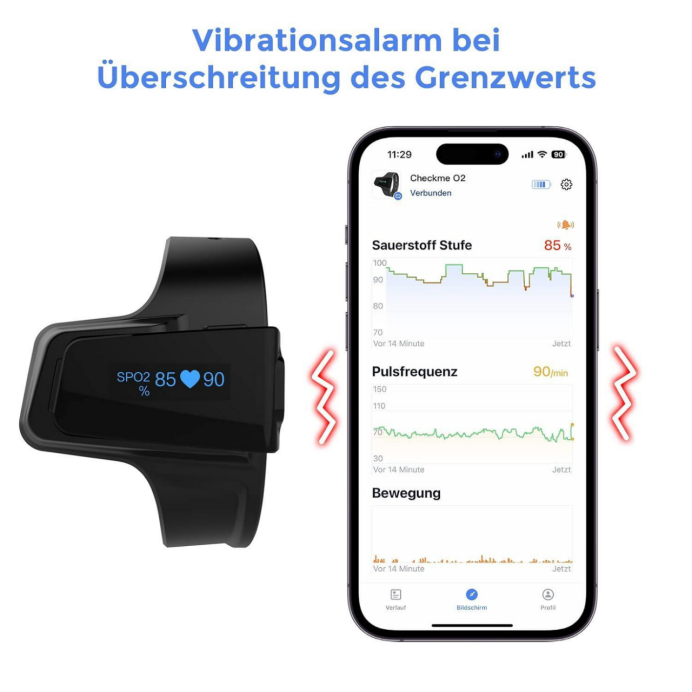
In medical and healthcare applications, vibration feedback plays an important role in providing silent and reliable notifications. Portable medical devices, monitoring equipment, and drug delivery systems often require vibration motors that can operate efficiently under limited battery capacity.
A 3V low voltage vibration motor offers advantages such as low energy consumption, consistent vibration output, and compact integration, making it suitable for portable medical electronics. Compared with audible alarms, vibration feedback allows patients and healthcare professionals to receive discreet notifications in different environments.
For medical device manufacturers, customized vibration solutions with optimized vibration force, low noise operation, and long service life can help improve device reliability and overall user experience.
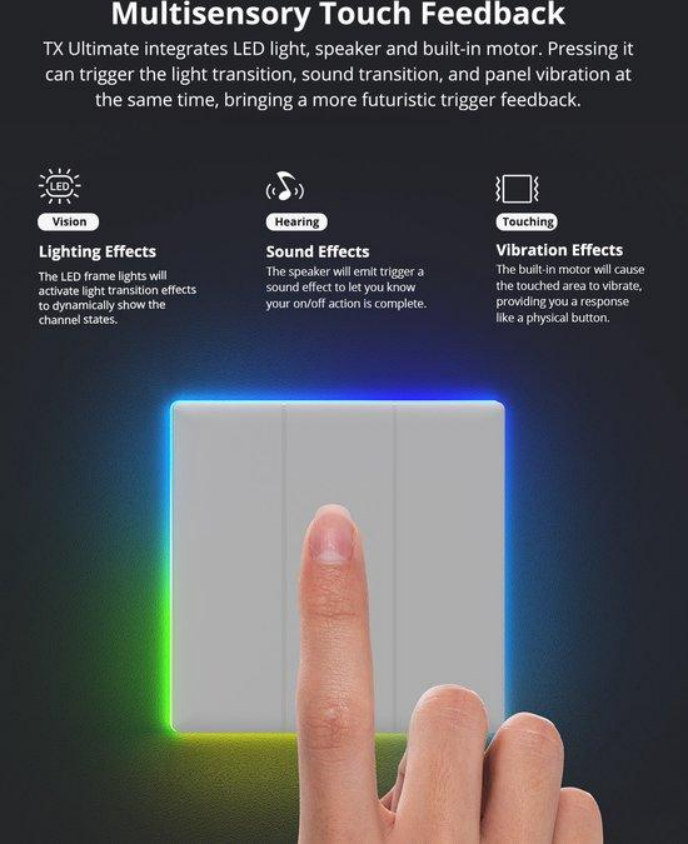
IoT and Smart Home Devices
As smart home products become more intelligent and interactive, tactile feedback has become an important part of user-device communication. IoT devices such as smart locks, smart sensors, control panels, and connected home appliances use vibration motors to provide confirmation signals and status notifications.
A 3V vibration motor enables compact IoT products to achieve responsive feedback while maintaining low power consumption. Its compatibility with battery-powered systems makes it ideal for wireless smart devices where energy efficiency and long operating time are critical.
By integrating a reliable low voltage vibration motor, smart home manufacturers can improve product interaction, enhance usability, and create a more intuitive connected experience.
Consumer Electronics
Consumer electronics products increasingly rely on haptic feedback to improve user interaction and product experience. Devices such as smartphones, gaming controllers, earbuds, remote controls, and portable accessories use vibration motors to provide instant tactile responses.
A 3V DC vibration motor offers an effective solution for compact consumer electronics because it combines small size, efficient power usage, and reliable vibration performance. Whether used for notification alerts, gaming feedback, or touch interaction, these motors help create a more immersive and responsive user experience.
For electronics manufacturers developing slim and portable devices, choosing the right micro vibration motor solution can improve product performance while supporting modern low-power design requirements.

7. How to Improve 3V Vibration Motor Efficiency in Product Design
Choose based on:
- Required vibration strength
- Available battery capacity
Installation space
Proper mounting improves:
- Vibration transfer efficiency
- Noise control
- User experience
PWM control allows engineers to adjust:
- Vibration intensity
- Energy consumption
- User feedback patterns
Conclusion
A 3V vibration motor provides an effective balance between compact size, low power consumption, and reliable vibration performance.
As electronic products continue becoming smaller and smarter, low-voltage vibration solutions will play an increasingly important role in wearable devices, medical equipment, IoT products, and portable electronics.
Choosing the right vibration motor supplier ensures better performance, longer product lifetime, and faster product development.
For OEM projects requiring customized 3V DC vibration motors, working with an experienced manufacturer can help transform product concepts into reliable mass-production solutions.
Contact LEADER right now!
Many miniature vibration motors operate between 1.8V and 4V. A 3V vibration motor is widely used because it matches common battery-powered electronic devices.
Yes. Compared with higher-voltage motors, properly designed 3V vibration motors can reduce power consumption and extend battery life.
ERM motors create vibration through rotating eccentric masses, while LRA motors generate vibration through linear movement for more precise haptic feedback.
Yes. Manufacturers can customize:
- Size
- Voltage
- Vibration force
- Connector
- Wire length
- FPCB design

Consult Your Leader Experts
We help you avoid the pitfalls to deliver the quality and value your micro brushless motor need, on-time and on budget.
Post time: Aug-11-2026


