

How to Choose the Right Coin Vibration Motor for Your Device Design
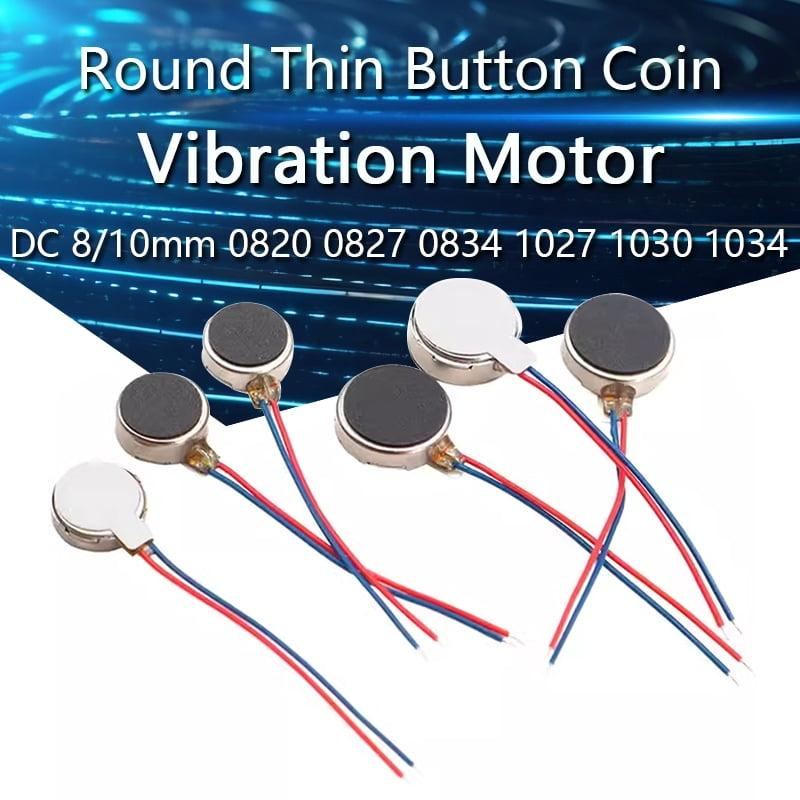
Coin vibration motors, also known as pancake vibration motors or shaftless vibration motors, are widely used in compact electronic devices that require reliable haptic feedback. Their ultra-thin design makes them ideal for smart watches, wearable devices, medical equipment, handheld electronics, and IoT products.
However, selecting the right coin vibration motor is not only about choosing a small size. Engineers need to consider multiple factors, including diameter, thickness, voltage, vibration force, current consumption, mounting method, and application requirements.
This guide explains the key specifications and selection criteria to help product designers choose the most suitable coin vibration motor for their projects.
What Is a Coin Vibration Motor?
A coin vibration motor is a compact ERM (Eccentric Rotating Mass) vibration motor with a flat circular shape. Unlike traditional cylindrical vibration motors, coin motors have a lower profile, allowing them to fit into slim devices where internal space is limited.
Inside the motor, an eccentric weight rotates at high speed, generating centrifugal force that creates vibration. The vibration is transferred through the device housing, providing users with tactile alerts or feedback.
Typical characteristics include:
|
Feature |
Description |
| Motor Type | ERM (Eccentric Rotating Mass) |
| Shape | Flat & circular |
| Diameter Range | 7mm – 12mm typical |
| Thickness | Around 2mm – 4mm |
| Voltage | Commonly 3V DC |
| Connection Options | Wire, FPC, spring contact, PCB pad |
| Main Applications | Wearables, smart devices, medical electronics |
Why Choosing the Right Coin Vibration Motor Matters
A vibration motor that is too small may not provide enough feedback, while an oversized motor can increase power consumption and create unnecessary mechanical noise.
The correct motor selection helps achieve:
✅ Better User Experience
The vibration should feel clear and comfortable rather than weak or harsh.
✅ Longer Battery Life
Low-power designs are especially important for wearable and portable products.
✅ Easier Mechanical Integration
The motor size and mounting method must match the internal structure of the device.
✅ Stable Production Performance
A suitable motor reduces assembly issues and improves product reliability.
Key Factors When Selecting a Coin Vibration Motor
Size is usually the first consideration during product design.
Coin vibration motors are mainly specified by:
Diameter × Thickness
For example:
- Ø8 × 2.0mm
- Ø8 × 2.5mm
- Ø10 × 2.7mm
- Ø12 × 3.0mm
A larger diameter usually allows a larger eccentric mass, which can provide stronger vibration output.
Common Coin Motor Size Comparison
|
Size |
Advantage |
Typical Applications |
| Ø7mm | Extremely compact | Mini wearable devices, small sensors |
| Ø8mm | Balanced size and performance | Smart bands, portable electronics |
| Ø10mm | Stronger vibration output | Medical devices, handheld products |
| Ø12mm | Higher vibration capability | Larger compact equipment |
For ultra-thin devices, smaller motors save space. However, larger motors generally provide stronger vibration because they can accommodate a larger rotating mass.
Most coin vibration motors are designed around 3V DC operation, making them compatible with battery-powered electronics.
Common operating ranges:
|
Parameter |
Typical Value |
| Rated Voltage | 3.0V DC |
| Operating Voltage | Around 2.7V – 3.3V |
| Starting Voltage | Around 2.3V+ depending on model |
| Current Consumption | 50mA – 100mA typical |
When selecting a motor, engineers should check:
- Battery voltage
- Driver capability
- Startup performance
- Maximum current consumption
A motor that cannot start reliably under actual working conditions may cause inconsistent vibration feedback.
Vibration performance is usually evaluated by:
- Vibration force (G value)
- Speed (RPM)
- Frequency (Hz)
For ERM coin motors:
Frequency(Hz)=RPM÷60Frequency(Hz)=RPM ÷ 60
Example:
A motor running at 10,000 RPM:
10,000 ÷ 60 ≈ 167Hz
Typical Performance Range
|
Specification |
Typical Range |
| Speed | 8,000 – 12,000 RPM |
| Frequency | 130 – 200Hz |
| Vibration Force | 0.4G – 1.0G+ |
Different applications require different vibration levels:
|
Application |
Preferred Vibration Feeling |
| Smart Watch | Gentle notification |
| Medical Device | Clear but comfortable feedback |
| Game Controller | Strong tactile response |
| Smart Lock | Fast confirmation feedback |
The installation method affects vibration efficiency and product reliability.
Adhesive Mounting
Most common for coin vibration motors.
Advantages:
- Easy assembly
- Space saving
- Good vibration transfer
Suitable for:
- Wearables
- Consumer electronics
- Portable devices
FPC / PCB Connection
Advantages:
- Cleaner assembly
- Better automation compatibility
- Suitable for mass production
Common in:
- Smart devices
- Medical electronics
Compact PCB designs
Coin Vibration Motor Selection Checklist
Before choosing a motor, engineers should confirm:
|
Requirement |
Questions to Ask |
| Space | What diameter and thickness can the device support? |
| Voltage | Is the power supply compatible? |
| Feedback | How strong should the vibration feel? |
| Assembly | Wire, FPC, or PCB mounting? |
| Lifetime | How many vibration cycles are required? |
| Environment | Temperature, shock, waterproof requirements? |
Smart Watches and Wearables
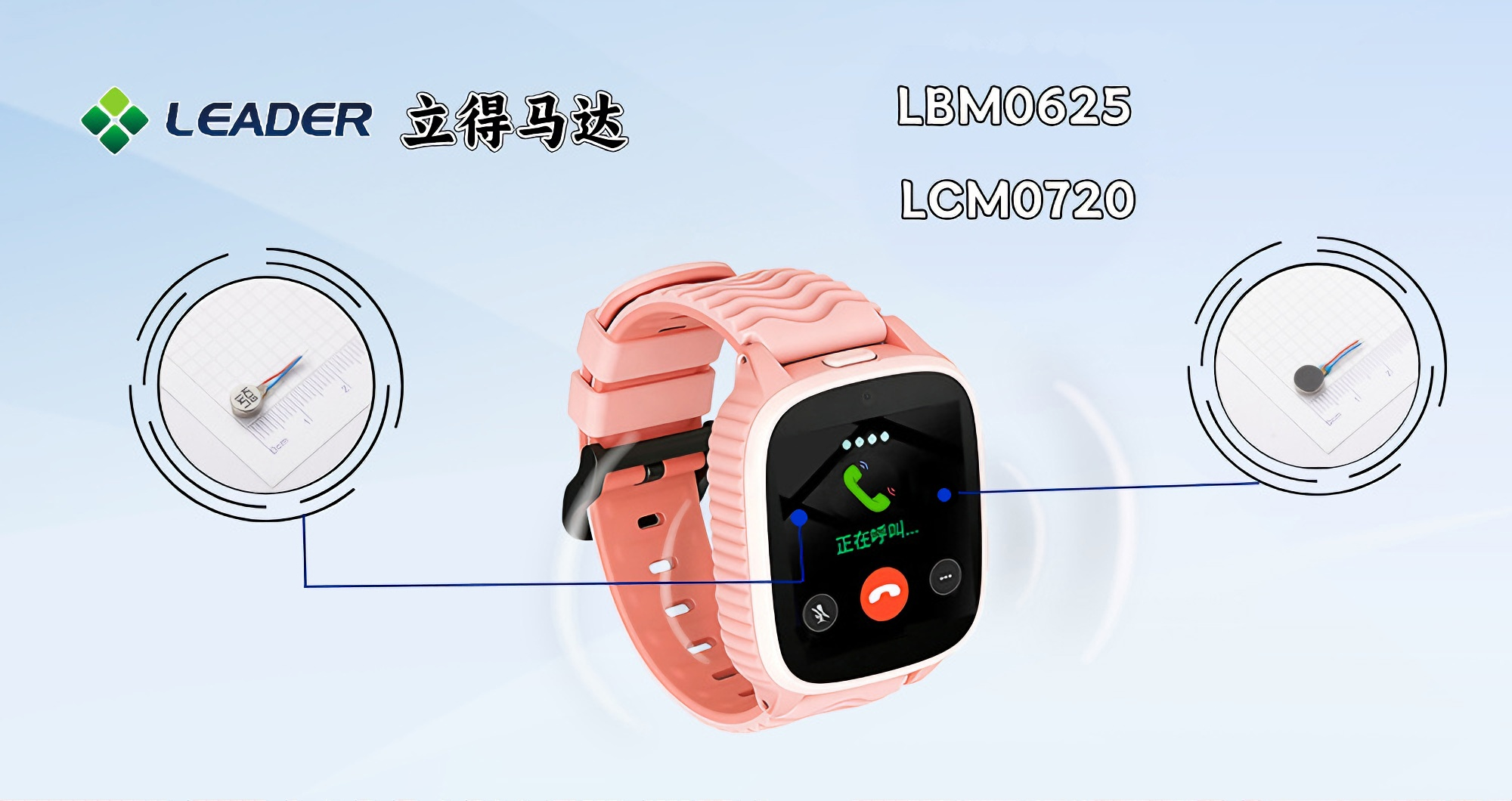
Coin vibration motors provide compact notification feedback for:
- Incoming calls
- Messages
- Health alerts
- User interaction
Their thin profile makes them ideal for wearable products.
Medical Devices
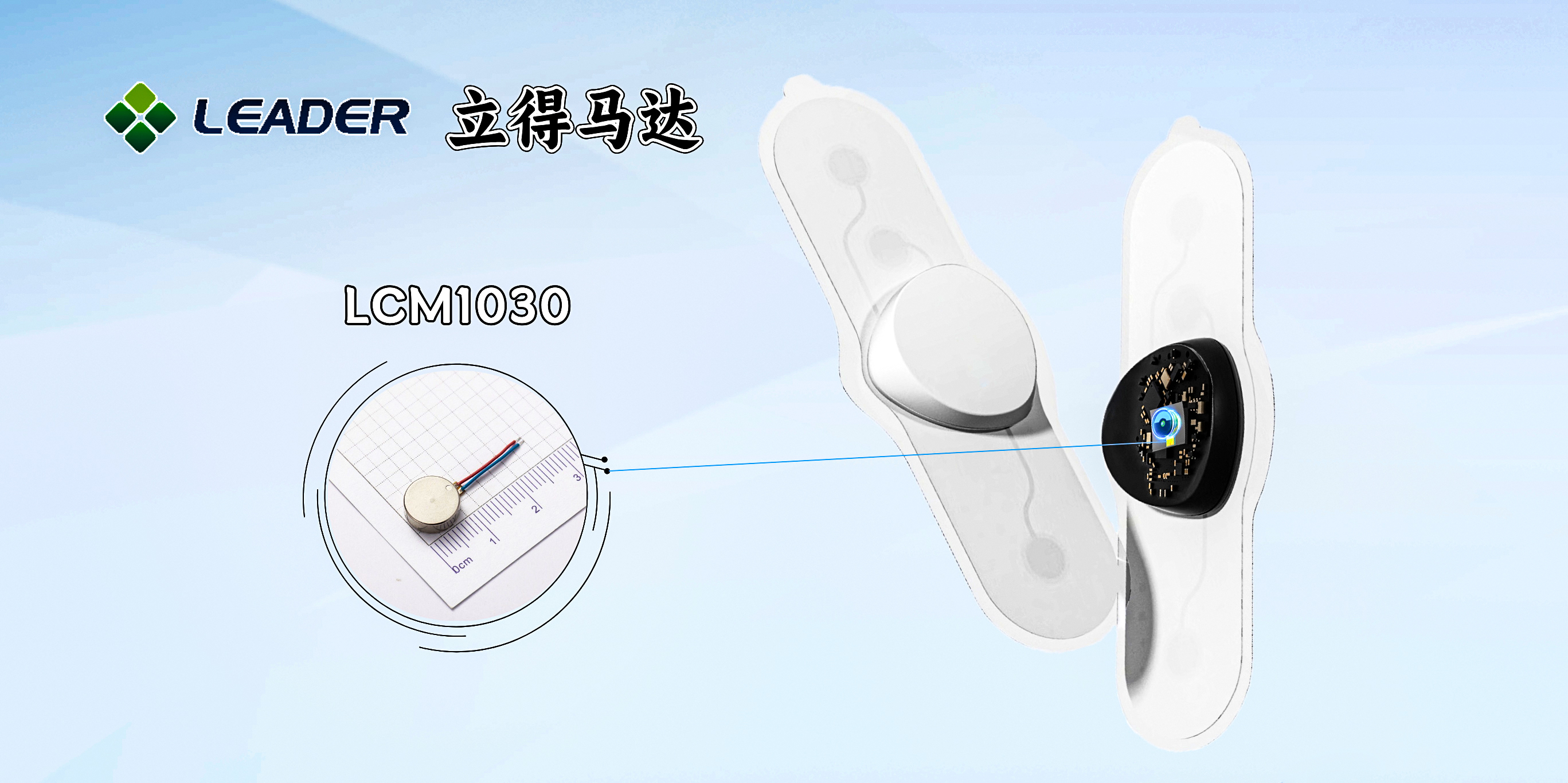
Portable medical equipment requires:
- Reliable operation
- Low noise
- Compact size
Coin motors are commonly used for alarms, reminders, and user feedback.
Smart Home Devices
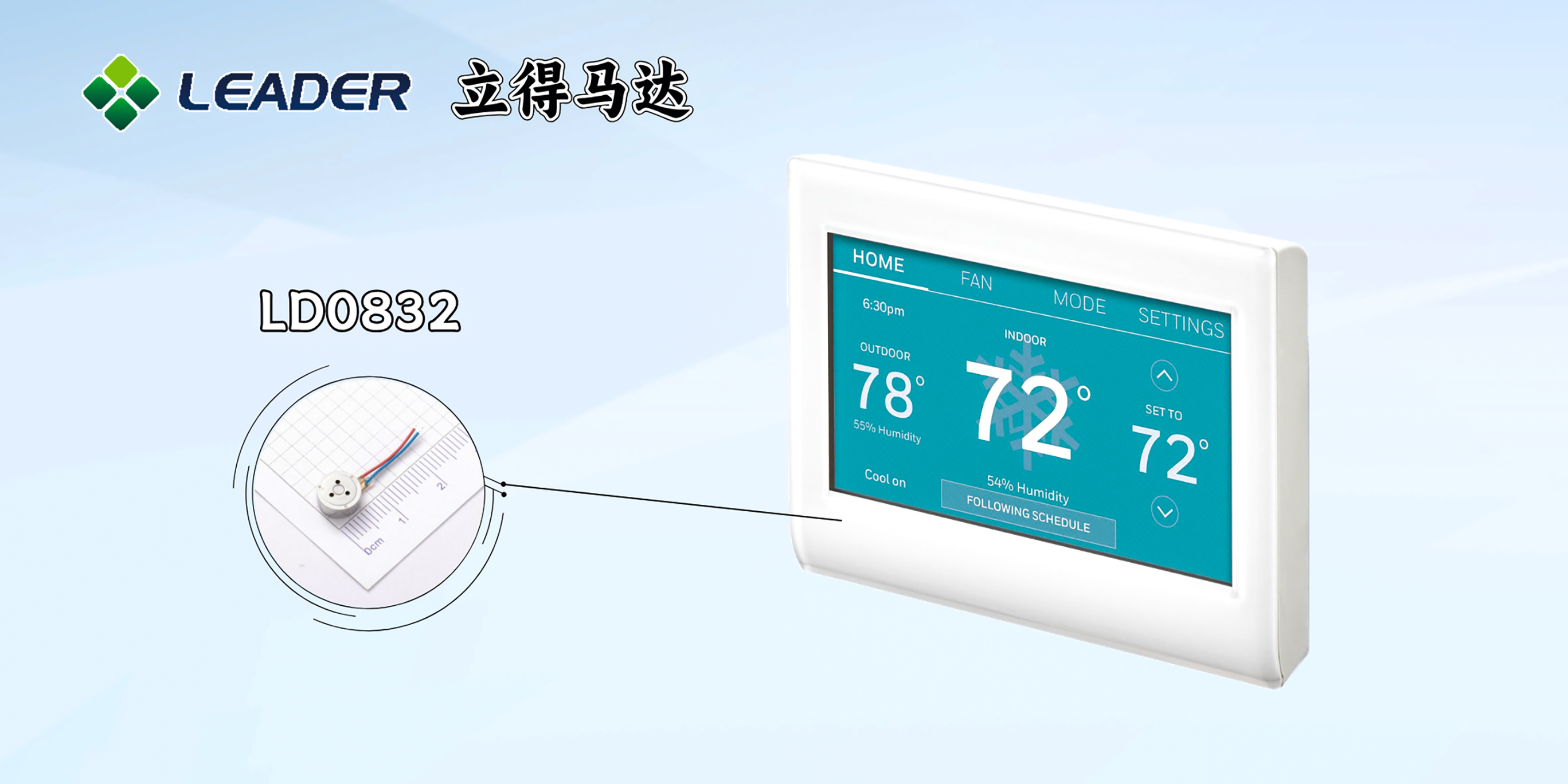
Applications include:
- Smart locks
- Control panels
- IoT devices
The vibration confirms user actions without requiring a display.
Coin Vibration Motor vs LRA Motor
Many designers compare coin ERM motors with LRA linear motors.
|
Feature |
Coin Vibration Motor |
LRA Motor |
| Technology | ERM rotating mass | Linear resonance |
| Cost | Lower | Higher |
| Control | Simple ON/OFF | More precise control |
| Vibration Feeling | Traditional vibration | More refined haptic feedback |
| Application | Alerts & notifications | Premium haptics |
For basic vibration alerts, coin motors remain a cost-effective choice. For advanced touch feedback, LRA motors may provide better precision.
How Does Leader Support Custom Coin Vibration Motor Projects?
As a professional micro vibration motor manufacturer, Leader provides customized vibration solutions for different application requirements.
Customization options include:
- Customized diameter and thickness
- Different voltage specifications
- Wire and FPC solutions
- Special vibration requirements
- OEM/ODM support
Whether your project requires a compact wearable motor or a customized vibration solution, selecting the right motor specification is the first step toward achieving reliable product performance.
The best size depends on available space and required vibration strength. Ø8mm and Ø10mm models are commonly used because they provide a good balance between size and performance.
Yes. Their thin and lightweight design makes them widely used in smart watches, fitness trackers, and wearable electronics.
Most coin vibration motors operate at around 3V DC, making them suitable for battery-powered products.
You can improve vibration performance by selecting:
- Larger motor size
- Higher vibration force model
- Optimized mounting position
- Proper driving voltage
Yes. Manufacturers can customize size, wiring, FPC connection, voltage, vibration characteristics, and mechanical design according to product requirements.
Conclusion
Choosing the right coin vibration motor requires more than selecting the smallest available model. Engineers should evaluate size, voltage, vibration force, mounting method, and application requirements together.
By understanding these specifications, product designers can achieve the ideal balance between compact design, reliable performance, and user experience.
For OEM projects, working with an experienced vibration motor manufacturer can help shorten development time and ensure stable mass production.
Consult Your Leader Experts
We help you avoid the pitfalls to deliver the quality and value your micro brushless motor need, on-time and on budget.
Post time: May-21-2025


