

Explore how linear resonant actuators (LRA) are used in different industries including consumer electronics, automotive, and medical devices. This article highlights the benefits of LRA in enhancing product performance and improving user experience.
Introduction to LRA Applications
What Makes LRA Suitable for Multiple Applications?
Linear Resonant Actuators (LRAs) stand out as a versatile haptic and vibration solution across industries, thanks to their unique design advantages: fast response times, precise vibration control, low power consumption, and compact form factors. Unlike traditional vibration motors, LRAs operate at resonant frequency to deliver consistent, efficient linear vibration—making them ideal for everything from portable consumer electronics to precision medical devices and automotive systems. Our Z-axis LRAs (including LD0625BC, LD0825BC, and LD0832BC models) further enhance this versatility, with vertical vibration optimized for slim, stacked device designs.
Applications of LRA in Consumer Electronics
Smart Wearables
Smartwatches, fitness trackers, and other wearables rely on LRAs to deliver intuitive haptic feedback without draining battery life. Our compact LRAs (φ6–φ8mm) fit seamlessly into slim wearable designs, providing clear, discrete alerts for notifications, fitness goals, and touch interactions. The 235±5Hz resonant frequency of our LD0625BC/LD0825BC/LD0832BC models ensures users feel precise, comfortable vibrations—critical for distinguishing between different types of alerts while maintaining long battery life.
Mobile Devices and Tablets
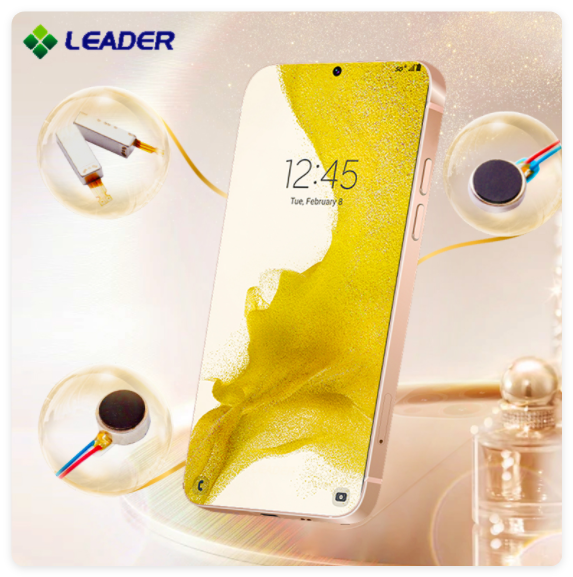
In smartphones and tablets, LRAs elevate user interaction by replacing generic vibration with nuanced haptic feedback. Typing, gaming, and UI interactions gain tactile realism, while low-power operation preserves device battery life. Our LRAs’ fast response time (under 20ms) creates immediate, satisfying feedback, enhancing the overall user experience. For manufacturers, our standardized form factors simplify integration into thin, modern mobile device designs.
Beauty Instruments & E-Cigarettes
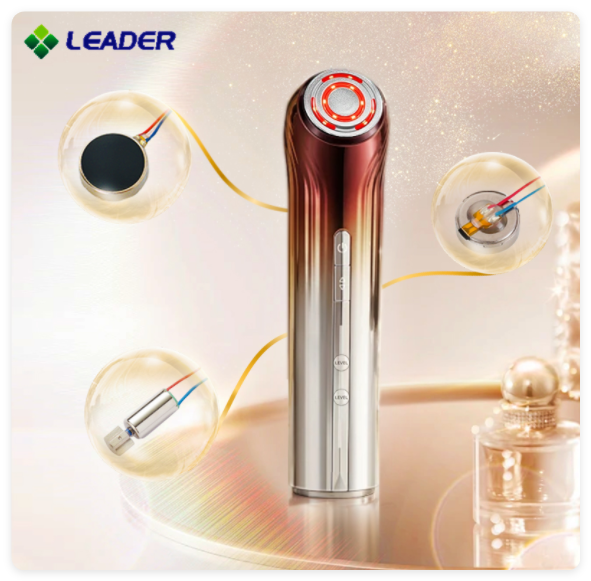
Beyond wearables, our Z-axis LRAs are widely used in beauty devices (facial massagers, skincare tools) and e-cigarettes:
Beauty Instruments: Z-axis vibration delivers uniform, gentle stimulation to enhance skincare product absorption, with our 235±5Hz frequency optimized for safe, effective skin contact.
E-Cigarettes: Crisp, responsive vibration confirms user operations (e.g., puff detection, battery alerts), improving usability and user satisfaction.
LRA Applications in the Automotive Industry
Automotive Feedback Systems
LRAs are transforming in-car user experience through seat vibrations and tactile alerts. In modern vehicles, LRAs provide haptic feedback for navigation (e.g., lane departure warnings), infotainment controls, and driver assistance systems—delivering non-intrusive, intuitive alerts that keep drivers focused on the road. Our LRAs’ durability and consistent performance make them ideal for automotive environments.
Control and Safety Systems
Automotive safety systems leverage LRAs to provide critical feedback: collision avoidance alerts, seatbelt reminder vibrations, and emergency warning haptics. Unlike audio alerts, haptic feedback from LRAs is direct and less distracting, enhancing driver awareness and safety. Our LRAs’ high reliability and resistance to temperature variations ensure consistent performance in extreme automotive conditions.
Medical Equipment Feedback
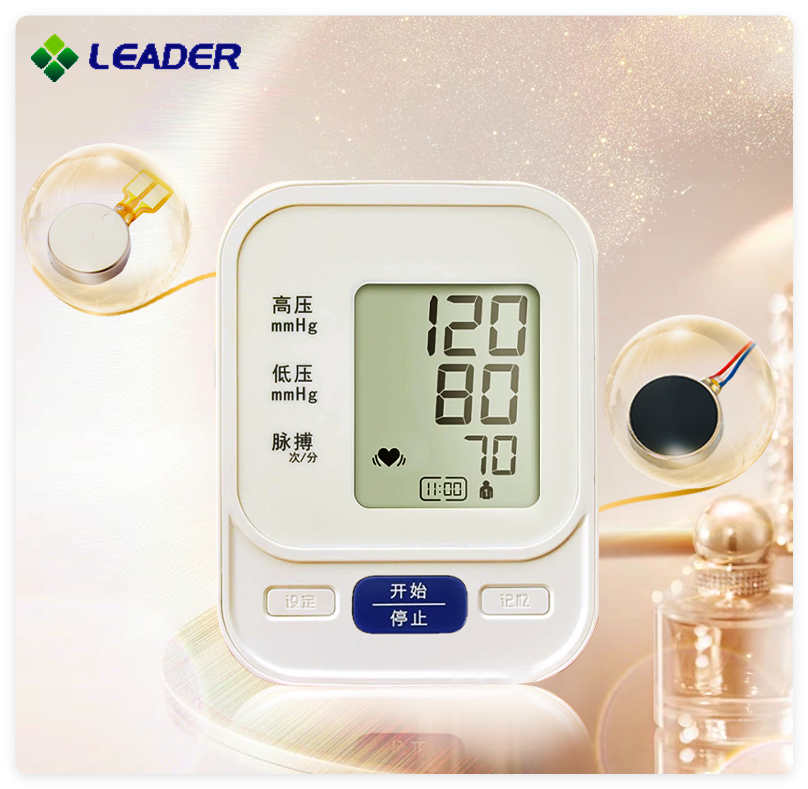
In patient monitoring devices, wearable health trackers, and diagnostic tools, LRAs deliver quiet, precise haptic feedback for alerts and user interactions. For example, glucose monitors and heart rate devices use LRAs to notify patients of abnormal readings without disturbing others. Our low-power LRAs are ideal for battery-powered medical devices, ensuring long operational life and reliable performance.
Medical Device Prototyping
Custom LRA solutions are essential for medical device prototyping, where unique form factors and vibration requirements are common. Our engineering team provides tailored LRA designs to meet the specific needs of medical device developers—from compact actuators for wearable health sensors to specialized vibration profiles for rehabilitation equipment.
Future Use Cases for LRA
LRA technology is evolving rapidly, opening new possibilities across emerging industries:
Virtual Reality (VR)/Augmented Reality (AR): LRAs will enable immersive haptic feedback in VR controllers and AR glasses, simulating touch and texture for more realistic experiences.
Industrial IoT: LRAs will provide tactile alerts for industrial sensors and machinery, notifying workers of maintenance needs or safety hazards without relying on visual/audio cues.
Smart Home Devices: From smart thermostats to kitchen appliances, LRAs will deliver subtle, intuitive feedback for user interactions, enhancing the smart home experience.
Conclusion
LRAs are a transformative technology, delivering precise, efficient vibration and haptic feedback across consumer electronics, automotive, medical, and emerging industries. Their versatility, low power consumption, and compact design make them ideal for modern products that demand both performance and portability. Our Z-axis LRAs are purpose-built to meet these diverse needs, with optimized frequency, size, and power characteristics for every application.
Whether you’re developing a smart wearable, automotive safety system, medical device, or next-generation consumer electronics, LRA technology can elevate your product’s performance and user experience. To explore custom LRA solutions tailored to your project’s unique requirements, contact us today to schedule a consultation with our technical experts.
Consult Your Leader Experts
We help you avoid the pitfalls to deliver the quality and value your micro brushless motor need, on-time and on budget.
Post time: Mar-23-2026


