

Smartphone Vibration Motor Evolution: How Haptic Technology Has Changed
Smartphones have evolved from simple communication devices into powerful smart terminals with advanced interaction experiences. While displays and processors receive most attention, one small component plays a critical role in user experience — the smartphone vibration motor.
From early mobile phones using simple ERM (Eccentric Rotating Mass) vibration motors to today's advanced LRA (Linear Resonant Actuator) haptic solutions, vibration technology has experienced a major transformation.
Modern smartphones require faster response, stronger feedback, lower power consumption, and more precise vibration patterns. These requirements have pushed manufacturers from traditional ERM motors toward compact and high-performance LRA vibration motors.
In this article, we will explore:
- How smartphone vibration motors work
- The evolution from ERM to LRA technology
- Key differences between ERM and LRA vibration motors
- Why LRA has become the preferred solution for premium smartphones
- How to select the right haptic motor for mobile devices
What Is a Smartphone Vibration Motor?
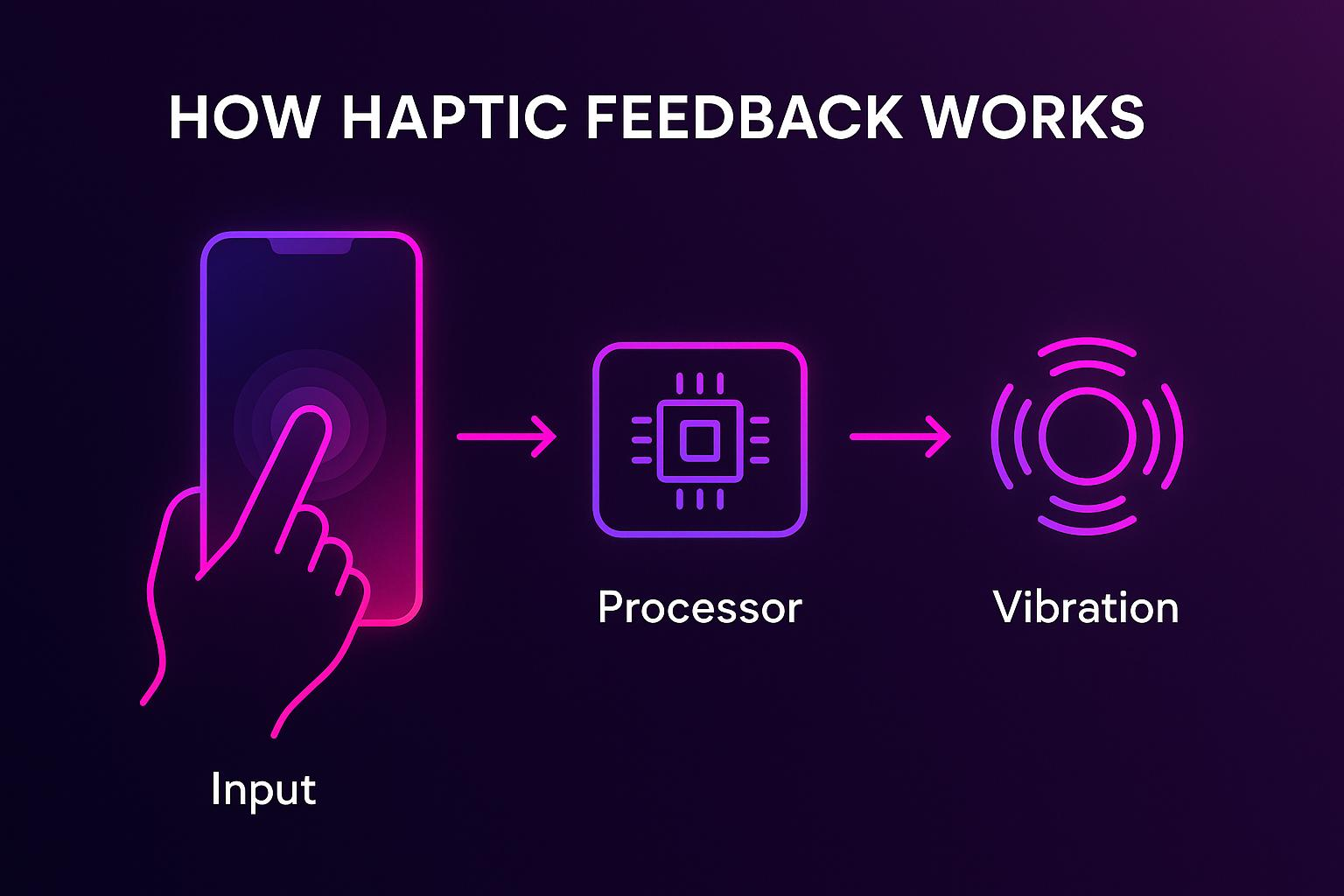
A smartphone vibration motor is a miniature electromechanical device that converts electrical energy into mechanical vibration. It provides tactile feedback when users:
- Receive phone calls
- Get notifications
- Type on virtual keyboards
- Press buttons on touchscreens
- Play mobile games
- Use gesture controls
Unlike speakers that provide audio feedback, vibration motors create physical sensations, allowing users to interact with devices through touch.
This technology is also known as:
- Haptic feedback motor
- Haptic actuator
- Phone vibration motor
- Mobile vibration actuator
Smartphone Vibration Motor Evolution: How Haptic Technology Has Changed
Smartphones have evolved from simple communication devices into powerful smart terminals with advanced interaction experiences. While displays and processors receive most attention, one small component plays a critical role in user experience — the smartphone vibration motor.
From early mobile phones using simple ERM (Eccentric Rotating Mass) vibration motors to today's advanced LRA (Linear Resonant Actuator) haptic solutions, vibration technology has experienced a major transformation.
Modern smartphones require faster response, stronger feedback, lower power consumption, and more precise vibration patterns. These requirements have pushed manufacturers from traditional ERM motors toward compact and high-performance LRA vibration motors.
In this article, we will explore:
- How smartphone vibration motors work
- The evolution from ERM to LRA technology
- Key differences between ERM and LRA vibration motors
- Why LRA has become the preferred solution for premium smartphones
- How to select the right haptic motor for mobile devices
What Is a Smartphone Vibration Motor?
A smartphone vibration motor is a miniature electromechanical device that converts electrical energy into mechanical vibration. It provides tactile feedback when users:
- Receive phone calls
- Get notifications
- Type on virtual keyboards
- Press buttons on touchscreens
- Play mobile games
- Use gesture controls
Unlike speakers that provide audio feedback, vibration motors create physical sensations, allowing users to interact with devices through touch.
This technology is also known as:
- Haptic feedback motor
- Haptic actuator
- Phone vibration motor
- Mobile vibration actuator
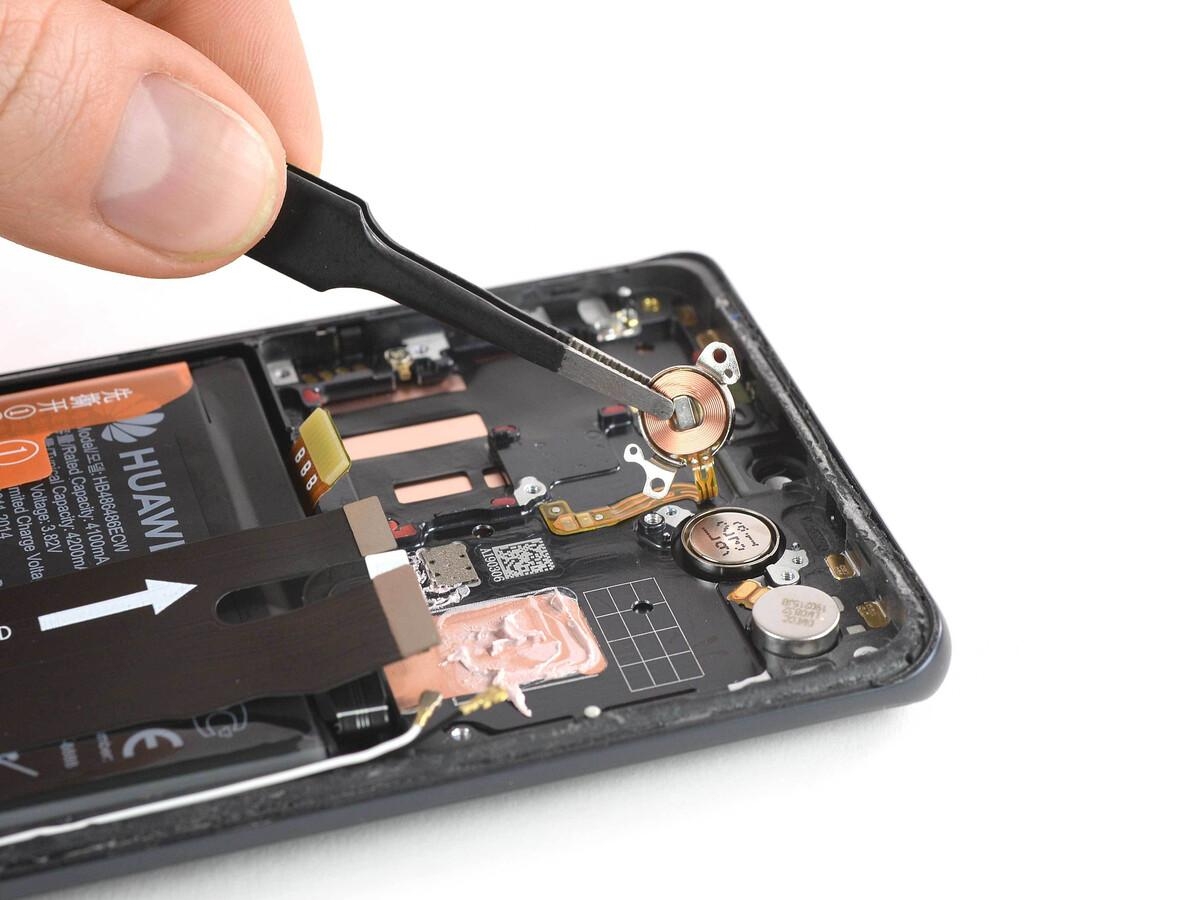
The Evolution of Smartphone Vibration Motors
The development of smartphone vibration technology can be divided into two major stages:
| Generation | Technology | Main Feature | Typical Applications |
| First Generation | ERM Motor | Simple rotating vibration | Feature phones, early smartphones |
| Second Generation | Coin ERM Motor | Smaller size, easier integration | Smartphones, wearable devices |
| Third Generation | LRA Motor | Fast response and precise vibration | Premium smartphones, gaming devices |
Stage 1: ERM Vibration Motor — The Beginning of Mobile Haptics
ERM (Eccentric Rotating Mass) motors were the first widely used vibration solutions in mobile phones.
The working principle is simple:
A small DC motor rotates an off-center weight. The centrifugal force generated by the rotating mass creates vibration.
Advantages of ERM Vibration Motors
ERM motors became popular because they offered:
- Low cost
- Simple structure
- Easy control
- Reliable operation
Limitations of ERM Technology
However, traditional ERM motors also have several disadvantages:
| Limitation | Impact on Smartphones |
| Slow startup time | Delayed vibration feedback |
| Rotational movement | Less precise vibration patterns |
| Higher power consumption | Reduced battery efficiency |
| Mechanical wear | Shorter lifespan |
As smartphone functions became more advanced, these limitations became increasingly noticeable.
Stage 2: LRA Vibration Motor — The Next Generation Haptic Solution
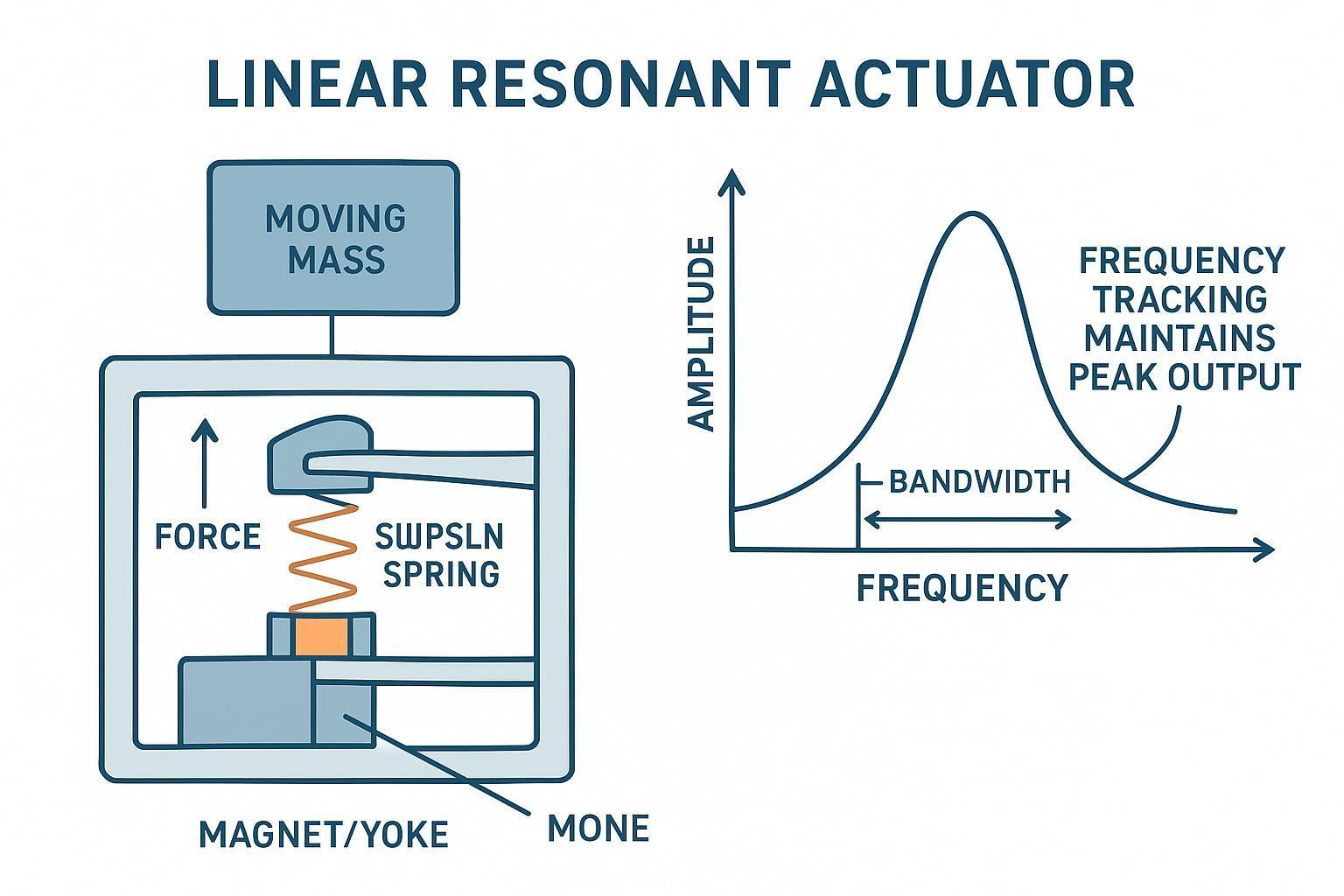
LRA (Linear Resonant Actuator) technology represents a major improvement in smartphone vibration systems.
Instead of rotating a mass, an LRA uses a magnetic moving mass driven by electromagnetic force.
The movement is linear, creating controlled vibration along a specific direction.
Why Smartphones Are Moving from ERM to LRA
Modern smartphones require:
- Instant touch feedback
- High-definition vibration effects
- Low power consumption
- Compact internal designs
LRA technology provides significant advantages:
1. Faster Response Time
LRA motors can reach vibration output much faster than traditional ERM motors.
This makes them ideal for:
- Touch feedback
- Gaming controls
- Virtual buttons
2. More Precise Haptic Feedback
Because the movement is controlled linearly, LRA motors can create different vibration patterns.
For example:
- Short click feedback
- Long notification vibration
- Typing simulation
- Game interaction effects
3. Better Energy Efficiency
Compared with ERM motors, LRAs typically operate more efficiently because they work near their resonance frequency.
This helps smartphone manufacturers improve battery performance.
ERM vs LRA: Smartphone Vibration Motor Comparison
Choosing between ERM and LRA depends on product requirements.
|
Feature |
ERM Vibration Motor |
LRA Vibration Motor |
| Motion Type | Rotational | Linear |
| Response Speed | Medium | Fast |
| Vibration Accuracy | Low | High |
| Power Efficiency | Average | Better |
| Haptic Experience | Basic | Premium |
| Control Precision | Limited | Excellent |
| Size Options | Wide range | Ultra compact |
| Cost | Lower | Higher |
For entry-level devices, ERM remains a practical solution.
For premium smartphones requiring advanced haptic feedback, LRA vibration motors are becoming the preferred choice.
Why LRA Became Popular in Modern Smartphones
Today's smartphone users expect more than simple vibration alerts.
They want feedback that feels natural and intelligent.
LRA technology enables:
Advanced Haptic Feedback
Modern smartphones use vibration motors for:
- Touch confirmation
- Camera shutter feedback
- Keyboard simulation
- Gaming effects
- Navigation interaction
Better User Experience
A high-quality haptic system creates a feeling of:
- Faster response
- Higher product quality
- Better interaction
This is why leading smartphone manufacturers increasingly adopt linear resonant actuators as part of their premium device designs.
Smartphone Vibration Motor Applications
Today’s smartphone vibration motors are no longer limited to simple notification alerts. With the development of advanced haptic technology, especially LRA (Linear Resonant Actuator) solutions, vibration motors have become an important part of user interaction design.
1. Touch Feedback and Virtual Button Simulation
Modern smartphones rely heavily on touchscreens, which remove the physical feedback users were familiar with from traditional buttons.
A high-performance vibration motor provides precise tactile feedback when users:
- Tap virtual keys
- Press navigation buttons
- Adjust settings
- Use gesture controls
LRA vibration motors are widely adopted in premium smartphones because they can deliver fast and accurate feedback, making touchscreen operations feel more natural and responsive.
2. Gaming and Immersive Mobile Experiences
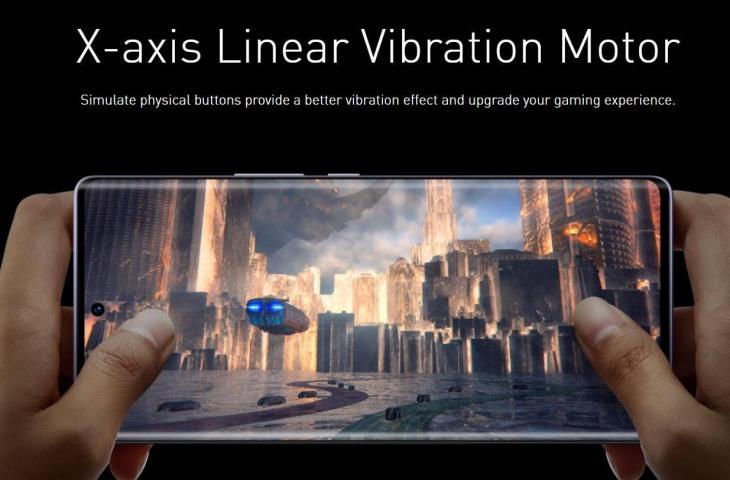
Mobile gaming has become one of the fastest-growing applications for haptic technology.
Smartphone vibration motors can create real-time feedback effects during gameplay, such as:
- Weapon impacts
- Driving vibrations
- Character movements
- In-game environmental effects
Compared with traditional ERM motors, LRA-based haptic actuators provide more precise vibration patterns, allowing developers to create a more immersive gaming experience without significantly increasing power consumption.
3. Wearable and Compact Smart Devices Extension
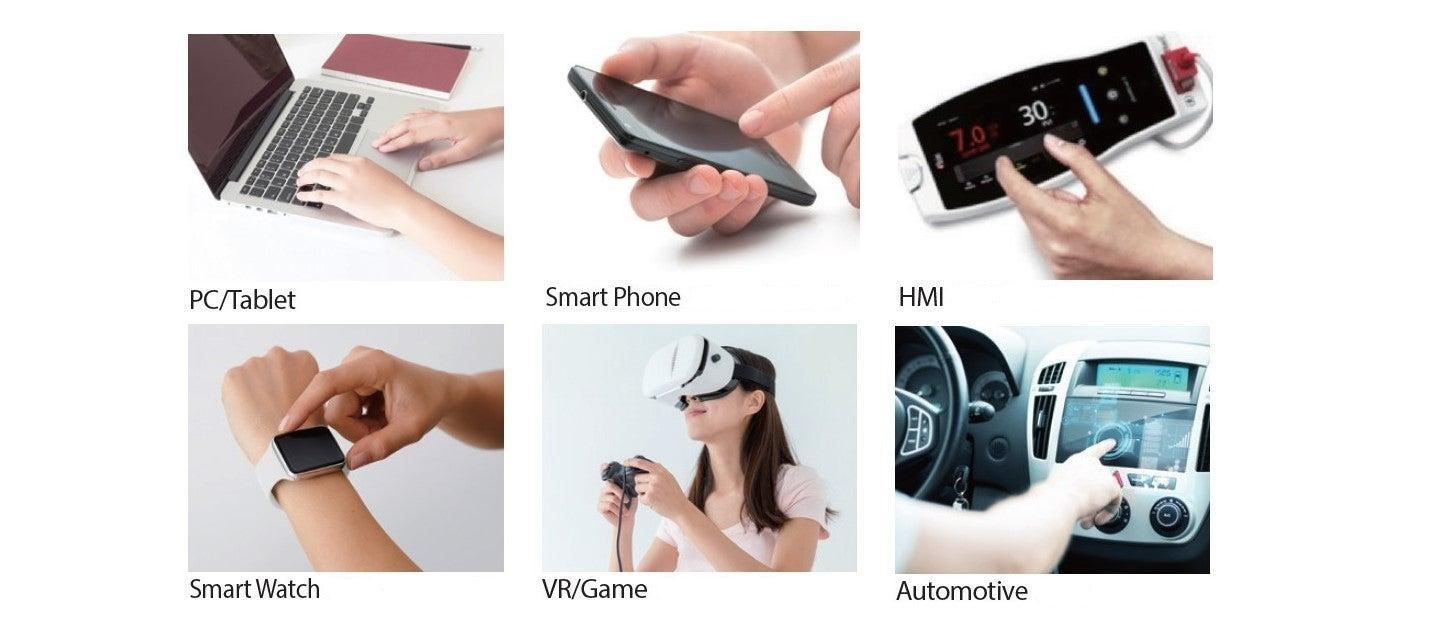
The technology behind smartphone vibration motors is also widely applied to other compact electronic devices, including:
- Smart watches
- Fitness trackers
- Smart rings
- AR/VR devices
These applications require extremely small, lightweight, and energy-efficient vibration solutions. Miniature ERM and LRA motors help manufacturers achieve reliable haptic feedback while maintaining compact product designs.
How to Choose the Right Smartphone Vibration Motor
When selecting a vibration motor for a smartphone or portable device, engineers usually consider the following factors:
Smartphones have extremely limited internal space.
Important parameters include:
- Motor diameter
- Thickness
- Weight
- Installation method
Key specifications:
- Rated voltage
- Resonant frequency
- Acceleration
- Vibration amplitude
For battery-powered devices, efficiency is critical.
LRA motors are often selected because they provide strong feedback with lower energy consumption.
Different smartphones require different mechanical designs.
Customization options may include:
- FPCB design
- Connector options
- Housing structure
- Frequency tuning
- Vibration strength adjustment
Future Trend: Smaller, Smarter, and More Precise Haptic Motors
The future of smartphone vibration motors is moving toward:
- Smaller actuator size
- Stronger vibration output
- More intelligent control
- Multi-directional haptic feedback
With the development of foldable phones, AR devices, and wearable electronics, compact haptic solutions will continue to become increasingly important.
Leader's Smartphone Vibration Motor Solutions
As a professional micro vibration motor manufacturer, Leader provides customized vibration solutions for mobile devices and compact electronics.
Our capabilities include:
- ERM vibration motors
- Coin vibration motors
- Linear Resonant Actuators (LRA)
- Custom haptic actuator solutions
We support OEM projects from prototype development to mass production, helping customers select the right vibration technology based on:
- Device size
- Performance requirements
- Power limitations
- Application scenarios
Looking for a reliable smartphone vibration motor supplier? Contact Leader for customized vibration solutions.
Modern smartphones mainly use LRA (Linear Resonant Actuator) motors for advanced haptic feedback, while some entry-level devices still use ERM vibration motors.
ERM motors generate vibration through rotating masses, while LRA motors use linear movement for faster response, higher precision, and better energy efficiency.
Premium smartphones require precise and realistic haptic feedback. LRA motors provide faster response and more controllable vibration patterns.
Yes. Manufacturers can customize vibration motors according to size, voltage, frequency, connector type, and mechanical requirements.
In 2025, Linear Resonant Actuators (LRA) hold approximately 38-46% market share by revenue in the smartphone vibration motor market, while ERM motors retain 29-34%. LRA penetration is projected to reach 58% of all haptic-enabled smartphone shipments by 2029, driven by premium and mid-range device adoption.
Leader’s standard MOQ for LRA motors is 100 pieces for standard models and 10K pieces for custom specifications. We maintain monthly production capacity of 2 million units of LRA lines, supporting both prototyping and volume production schedules.
Consult Your Leader Experts
We help you avoid the pitfalls to deliver the quality and value your micro brushless motor need, on-time and on budget.
Post time: Jul-30-2026


