

One Motor, Two Connection Designs
For compact electronic devices, the motor connection affects PCB layout, wiring, and assembly. LEADER’s LCM0720 7mm motor is one model in our coin vibration motor category and is available in two versions: LCM0720 with wire leads and LCM0720-FPCB with a flexible printed circuit.
Both versions use the same core motor body and share the same dimensions and vibration performance. Whether your project requires flexible wire routing or a compact FPCB connection, the LCM0720 series offers two practical integration options for space-constrained electronic devices.
7mm Coin Vibration Motor Series
The LEADER LCM0720 series is a 7mm coin vibration motor available with either wire leads or a flexible printed circuit (FPCB). Both configurations use the same motor platform; the connection design can be selected to suit the device’s PCB layout and assembly requirements.
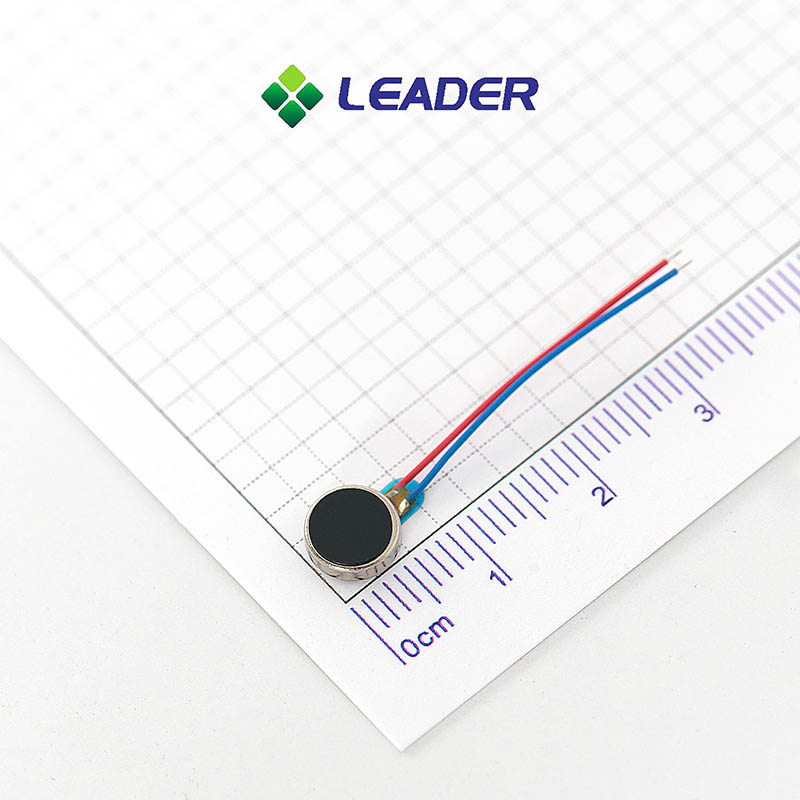
Flexible wiring
A traditional wire connection for flexible routing and customized cable configurations.
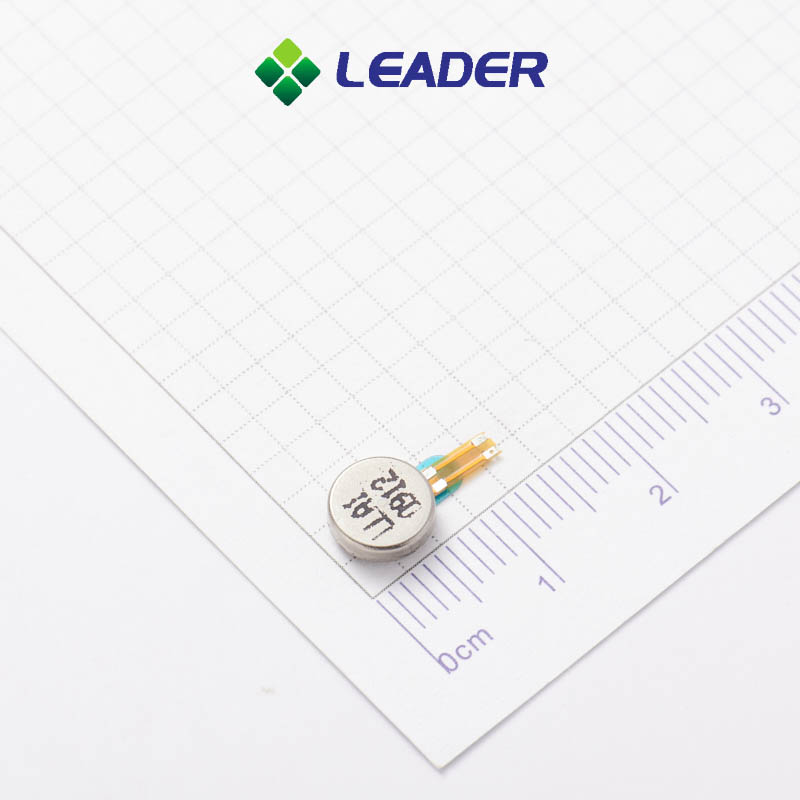
PCB integration
An integrated flexible circuit connection for compact and organized assembly designs.
Shared Motor Characteristics
The two versions use the same 7mm coin-type vibration motor platform. Their connection configurations do not change the fundamental motor operating principle.
|
Item |
Shared specification |
| Product Series | LCM0720 |
| Motor Type | Brushed ERM Coin Vibration Motor |
| Diameter | 7.0 mm |
| Thickness | 2.0 mm |
| Rated Voltage | 3.0 V DC |
| Operating Voltage | 2.7–3.3 V DC |
| Rated Current | 85 mA Max |
| Rated Speed | 9,000 RPM Min |
| Connection Options |
Wire Leads / FPCB |
Note: Specifications should be confirmed against the latest approved datasheet for the selected configuration. Cable length, FPCB dimensions, and other customized details may vary.
LCM0720 Wire Lead vs. LCM0720-FPCB: Key Differences
The most important thing to understand is that these two products are not different motor performance grades. They are two connection solutions built around the same motor body.
|
Comparison |
LCM0720 Wire Lead |
LCM0720-FPCB |
| Motor Body | Same | Same |
| Motor Dimensions | 7 × 2.0 mm | 7 × 2.0 mm |
| Vibration Performance | DSame motor platform | Same motor platform |
| Electrical Connection | Wire leads | Flexible PCB |
| Installation | Wire soldering or connector | FPCB soldering / PCB integration |
| Wiring Flexibility | High | Depends on FPCB layout |
| PCB Integration | Requires wire routing | Designed for direct PCB integration |
| Customization | Wire length, connector | FPCB shape, length and layout |
LCM0720 Wire Lead Version: Flexible Wiring for Versatile Integration
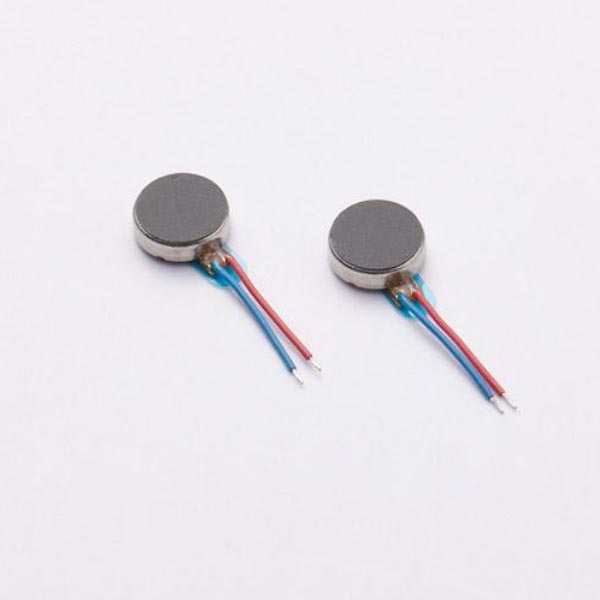
The LCM0720 Wire Lead Version uses two electrical wires to connect the motor to the device's power circuit.
This configuration is particularly useful when the motor installation position is separated from the main PCB or when the internal structure requires flexible wire routing.
Key advantages:
-Flexible installation: Wires can be routed around internal components and through different housing structures.
-Easy connection: The leads can be soldered to the PCB or connected through a suitable connector.
-Custom wire length: Wire length can be adjusted to meet different device layouts.
-Versatile assembly: Suitable for designs where the motor and control board are not positioned close together.
Recommended applications:
-Smart watches and wearable devices
-Handheld electronic products
-Portable medical devices
-Small consumer electronics
-Electronic toys and compact controllers
LCM0720-FPCB Version: Compact Connection for PCB Integration
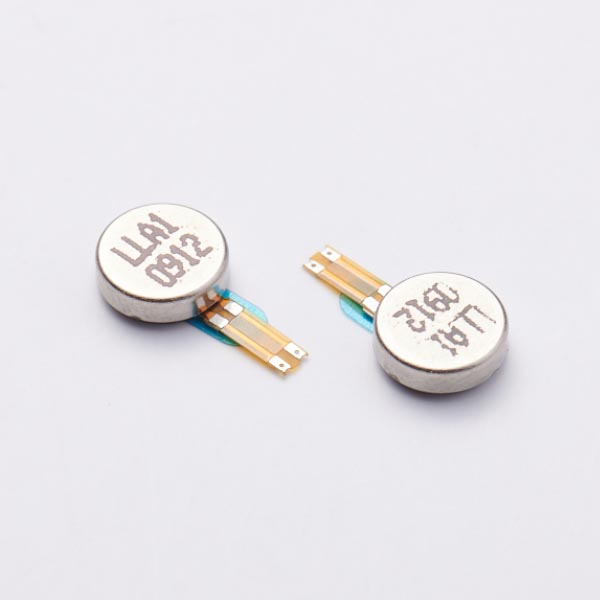
The LCM0720-FPCB Version integrates a flexible printed circuit connection into the motor assembly.
Instead of using separate wire leads, the flexible circuit provides a more structured connection between the motor and the main PCB.
This design can help simplify internal wiring and support compact electronic product layouts.
Key advantages:
Compact connection design: Reduces the need for separate wire routing.
Organized assembly: Provides a defined, flexible connection between the motor and PCB.
PCB integration: Supports soldering to the main PCB using an appropriate assembly process.
Custom FPCB options: FPCB length, shape, and connection layout can be considered according to project requirements.
Recommended applications:
Compact wearable electronics
Smart bands and smart watches
Space-constrained consumer electronics
Portable electronic devices
Custom PCB-based haptic products
Engineering note: FPCB soldering methods, pad geometry, and assembly conditions should be confirmed during design validation.
Get in Touch with Us
Ready to place an order or need more information? Contact our team today to learn more about our Coin Vibration Motors and how we can support your business needs. Request a quote now and experience the quality and reliability of our products firsthand.
Which 7mm Coin Vibration Motor Should You Choose?
The right choice depends primarily on your device's internal layout and manufacturing process, rather than vibration strength.
Recommended applications:
Your motor needs to be installed away from the main PCB.
Your product requires flexible cable routing.
You prefer traditional wire soldering or connector-based assembly.
Choose LCM0720-FPCB if:
Your product has a compact internal PCB layout.
You want an integrated flexible circuit connection.
Your assembly process supports FPCB soldering.
A Simple Selection Example
Imagine you are developing a smart wearable device.
If the vibration motor is positioned on one side of the housing while the PCB is located elsewhere, the wire lead version may offer more convenient installation.
If the motor is positioned close to the PCB and the product uses a compact integrated assembly design, the FPCB version may be a better fit.
The final selection should always consider cable clearance, bending space, soldering conditions, and mechanical mounting.
Real-World Applications of 7mm Coin Vibration Motor
The 7mm coin vibration motor is designed for compact electronic devices that require reliable tactile feedback. With two connection options — wire leads and FPCB — it supports different product structures and assembly requirements.
The following examples demonstrate how the two connection designs are used in real-world applications.
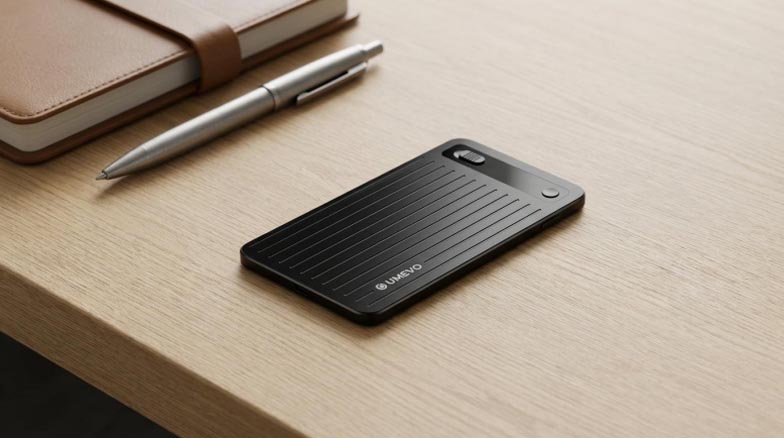
AI Voice Recorder Cards – LCM0720 Wire Lead Version
AI voice recorder cards integrate recording, AI transcription, and smart interaction into compact portable devices. Because these products are designed to be extremely thin, component size and internal layout are critical.
LEADER's LCM0720 wire lead vibration motor is used in AI voice recorder card applications to provide silent tactile feedback without relying entirely on audible alerts.
Key application functions:
Recording status confirmation: Provides tactile feedback when users start, pause, or stop recording.
Silent notifications: Delivers discreet vibration alerts in meetings, classrooms, and other quiet environments.
Low battery reminders: Helps notify users when the device needs charging.
Operation feedback: Confirms important user actions through different vibration patterns.
Why the Wire Lead Version?
The wire lead configuration provides flexible electrical connections, allowing engineers to position the motor according to the internal structure of the recorder card. This is particularly useful when the motor and main PCB require a flexible connection arrangement.
Application reference: Vibration Motor for AI Voice Recorder Cards – LEADER.
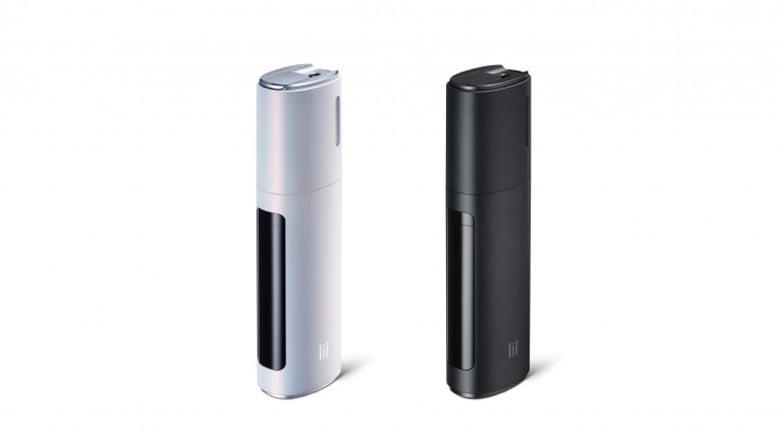
HNB E-Cigarettes – LCM0720-FPCB Version
Compact HNB (Heat-Not-Burn) electronic cigarette devices have limited internal installation space and require carefully designed electronic components.
LEADER's LCM0720-FPCB vibration motor is used in an electronic cigarette application associated with South Korean tobacco company KT&G.
The integrated FPCB connection provides a practical solution for connecting the motor to the device's electronic circuit while supporting compact internal assembly.
Key application functions:
Tactile feedback: Generates subtle vibration during selected device interactions.
User experience enhancement: Adds physical feedback to the electronic device's operation.
Compact integration: The 7mm coin motor fits space-constrained product structures.
Flexible PCB connection: The FPCB design supports an organized electrical connection within the device.
Why the FPCB Version?
The FPCB connection is suitable for compact electronic products where the motor needs to connect to a nearby PCB through a defined flexible circuit layout. It helps simplify internal wiring and supports a more integrated assembly design.
Application reference: Vibration Motor for E-Cigarette – LEADER.
More Applications for Compact 7mm Coin Motors
Beyond AI recording devices and HNB electronic cigarettes, the LCM0720 series can also be considered for various compact electronic products.
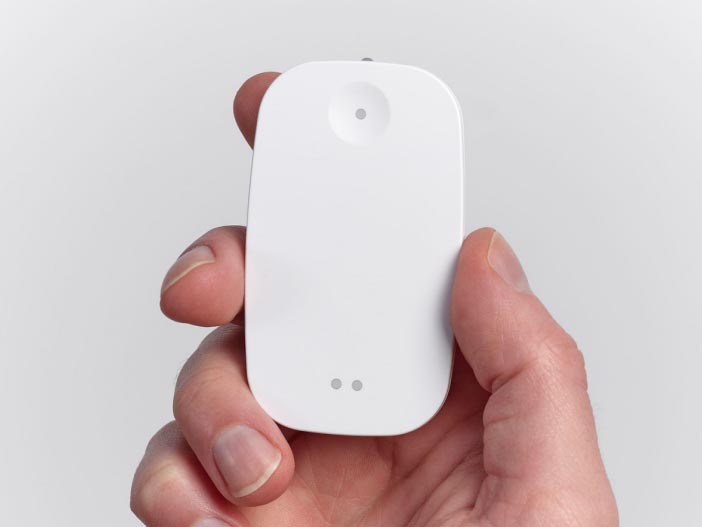
Smart Home Electronics
Provides subtle vibration feedback for operation confirmation and notifications.
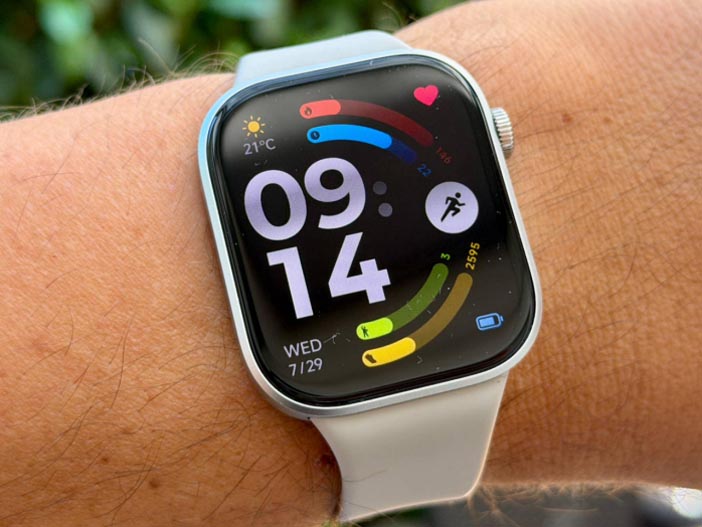
Smart Watches & Wearables
Provides vibration alerts for notifications, reminders, and activity feedback.
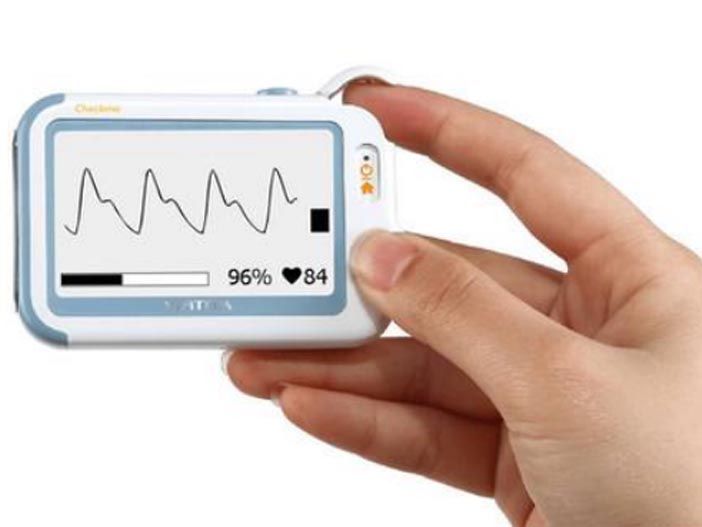
Medical Devices
Supports discreet tactile alerts in compact portable medical electronics.
Application-Based Connection Selection
The following examples show how different product structures can influence the choice of connection type.
|
Application |
Recommended Version |
Main Consideration |
| AI Voice Recorder Cards | LCM0720 Wire Lead | Flexible wire routing |
| HNB E-Cigarettes | LCM0720-FPCB | Integrated FPCB connection |
| Smart Watches | Both options | Internal PCB layout |
| Portable Medical Devices | Both options | Assembly requirements |
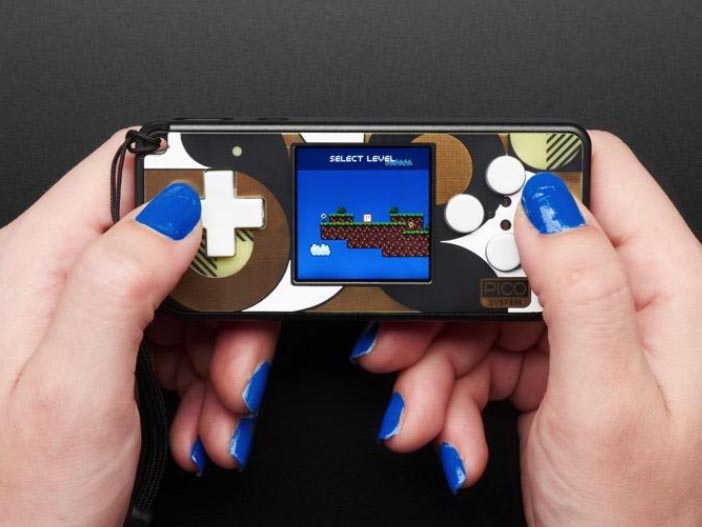
| Compact Gaming Devices | Both options | Motor positioning and wiring |
Customization Options for OEM & ODM Projects
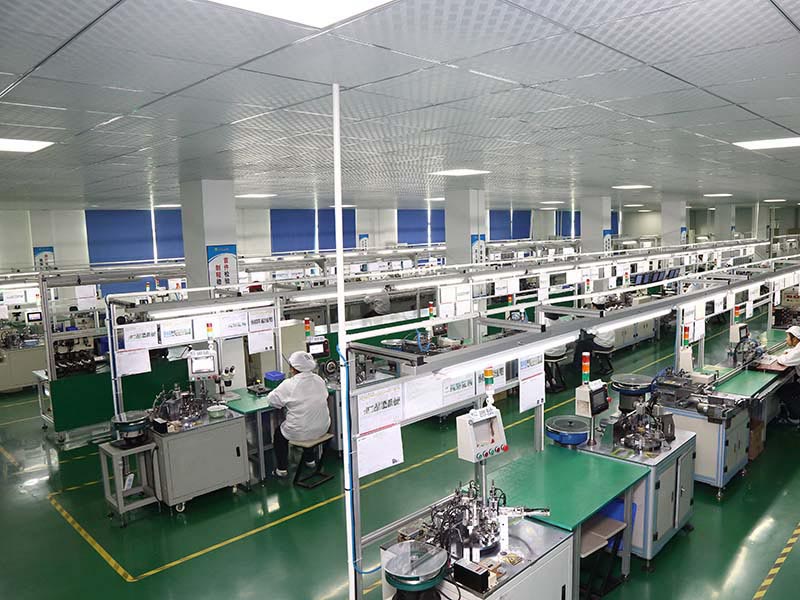
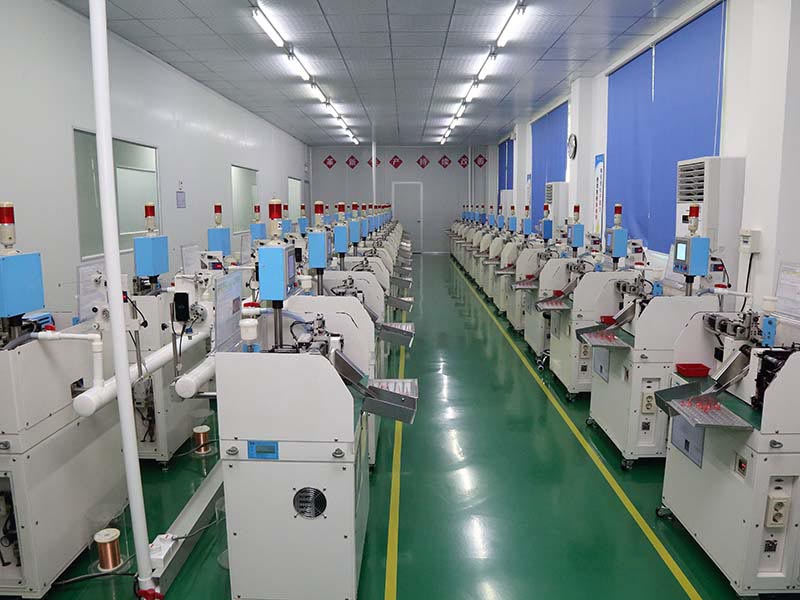
Different electronic products have different internal structures and assembly requirements. LEADER provides customization options to help customers integrate the LCM0720 coin vibration motor into their specific designs.

For Wire Lead Versions:
Customized wire length
Different wire specifications
Connector options
Customized adhesive or foam configurations
For FPCB Versions:
Customized FPCB length
Flexible circuit shape and layout
Connection pad design
Customized adhesive and mounting solutions
For Both Versions:
Engineering support for product integration
Sample evaluation
OEM and ODM manufacturing support
Mass production solutions
Explore LEADER’s Motor Solutions
Linear Resonant Actuators
For designs that need a linear vibration mechanism, explore LEADER’s linear resonant actuator options.
View Linear Resonant ActuatorsSMD/SMT Vibration Motors
These SMD/SMT vibration motors offer another option for compact devices with PCB mounting requirements.
View SMD/SMT Vibration MotorsMicro Brushless Motors
For projects using a different motor design, compare LEADER’s range of compact brushless motors.
View Micro Brushless MotorsFAQ For China Coin Vibration Motor Manufacturer
Yes. Both models share the same core motor body, mechanical structure, and basic vibration performance. The main difference is the electrical connection: wire leads for LCM0720 and an FPCB connection for LCM0720-FPCB.
No. The two versions use the same motor platform. The connection method itself does not provide a higher vibration force. Actual vibration performance also depends on the mounting structure and operating conditions.
Yes. Wire length can be customized according to your device's internal layout and assembly requirements. Connector options can also be discussed.
Yes. FPCB dimensions, shape, and connection layout can be evaluated for OEM and ODM projects, subject to design feasibility and order requirements.
It depends on your assembly design. Wire leads offer greater routing flexibility, while FPCB can provide a more integrated connection when the motor is positioned near the PCB.
Yes. Both versions can be considered for smart watches and other wearable devices. The best option depends on the available internal space, PCB location, and assembly method.
As a brushed ERM coin vibration motor, it can generally be operated using a suitable DC power supply or PWM control circuit. A separate driver IC is not necessarily required, although the final circuit design should be validated.
Get the Right 7mm Coin Vibration Motor for Your Project
Looking for a compact 7mm coin vibration motor for your next electronic product?
Whether you need the LCM0720 Wire Lead Version or the LCM0720-FPCB Version, LEADER offers flexible connection options, customization support, and micro vibration motor manufacturing experience.
Contact our engineering and sales team to discuss your application, request samples, or get a quotation for your OEM project.


